Zooxanthellae: A Youth-Led Effort to Restore Our Coral Reefs
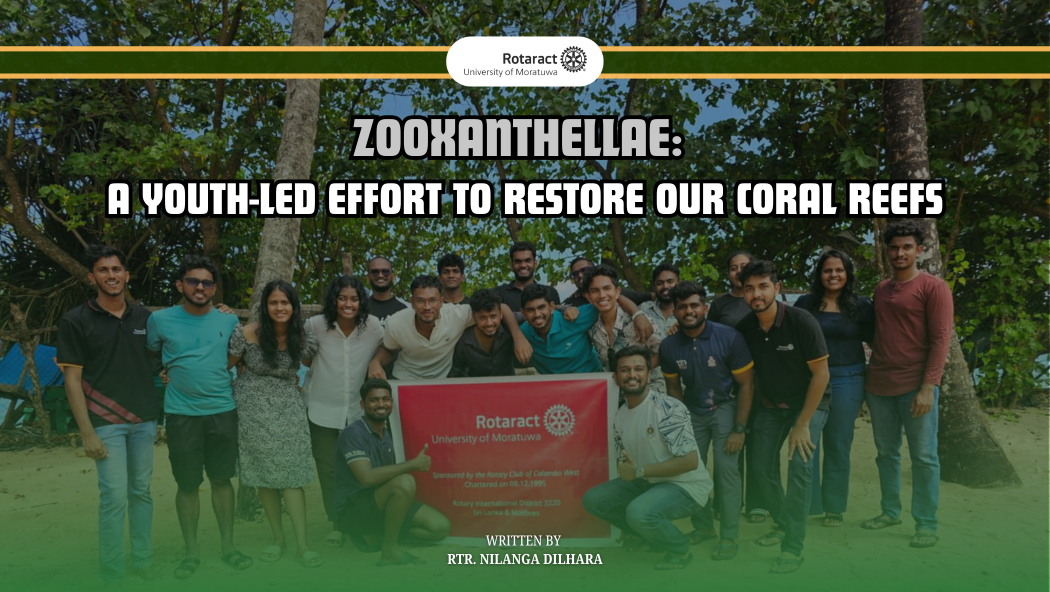
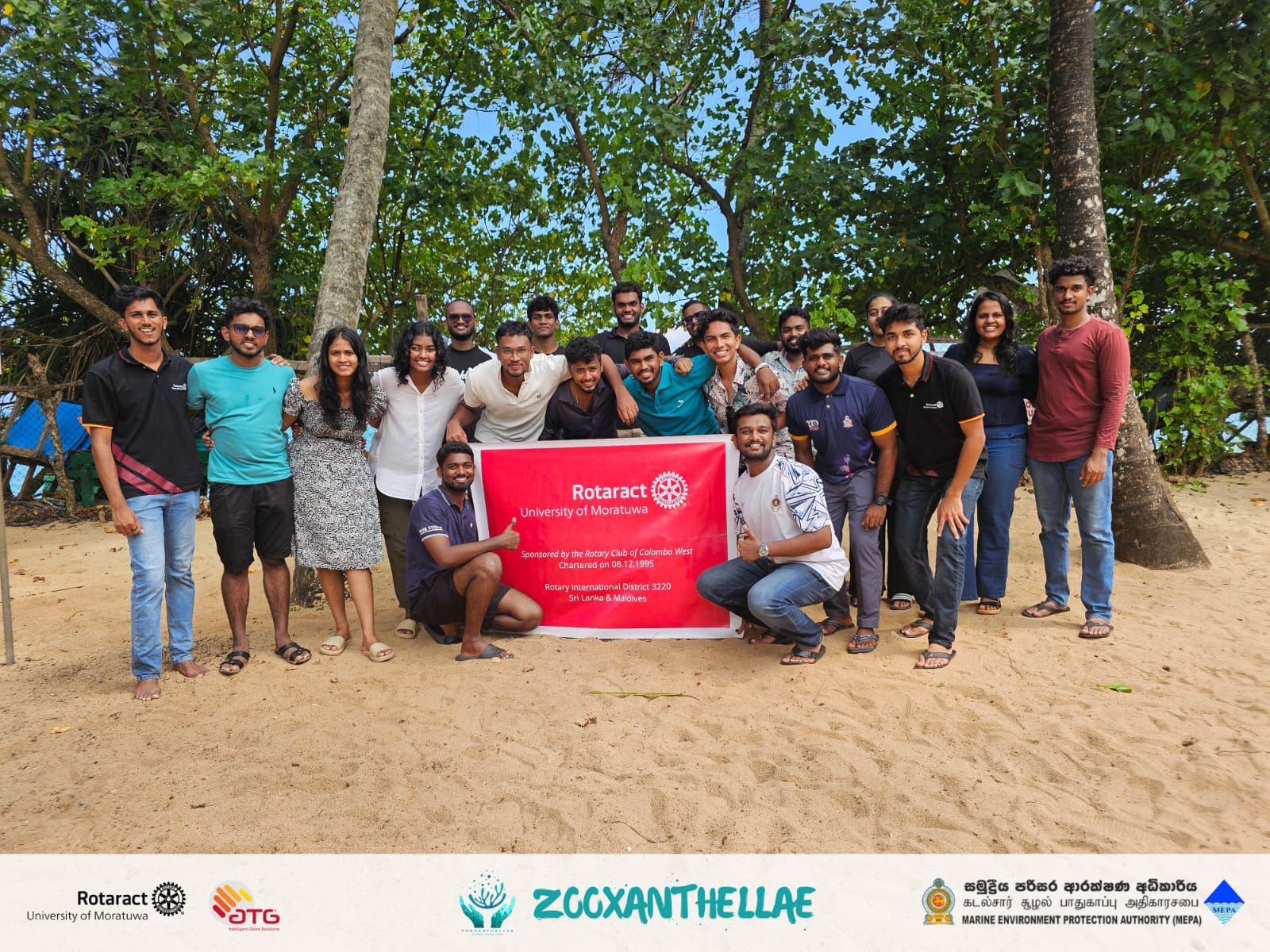
Environmental challenges beneath the ocean surface often receive less attention, despite their long-term impact. Coral reef degradation is one such issue. Coral reefs support marine biodiversity, protect coastlines, and sustain coastal livelihoods. Recognizing this responsibility, the Rotaract Club of University of Moratuwa continues its commitment to marine conservation through Project Zooxanthellae, initiated under the Environmental Service Avenue.
Why Zooxanthellae Matters to Us
Zooxanthellae is not just one of the flagship projects of our club, it is a project that reflects the true spirit of Rotaract: service, leadership, and sustainable impact.
My personal journey with Zooxanthellae began in 2023, even before I officially entered the University of Moratuwa. As a new member, I was fortunate to take part in the Zooxanthellae project held in Kaburugamuwa, Sri Lanka. That experience marked the beginning of my Rotaract journey. From the very first day, this project stood out to me because it went beyond awareness and focused on real environmental action.
Over time, Zooxanthellae continued to shape my involvement in Rotaract. I was later given the opportunity to serve as a Co-Chairperson of the project, gaining firsthand experience in planning, coordination, and teamwork. Last year, I was privileged to lead the project as one of the Co-Directors of the Environmental Service Avenue, contributing to decision-making, partnerships, and overall project execution. This progression from participant to leader made Zooxanthellae my favourite project and a defining part of my Rotaract experience.
The Importance of Coral Reefs
Coral reefs, often referred to as the rainforests of the ocean, cover only a small portion of the sea floor yet support nearly a quarter of all marine life. They provide shelter and breeding grounds for fish, reduce coastal erosion, and support industries such as fisheries and tourism.
The decline of coral reefs due to climate change, pollution, and harmful human activities directly affects marine ecosystems and coastal communities. Protecting and restoring coral reefs is therefore essential for both environmental and economic sustainability.
Coral Reefs in the Sri Lankan Context
As an island nation with a high dependence on marine resources, Sri Lanka is home to coral reefs across regions such as Jaffna, the Gulf of Mannar, Hikkaduwa, Galle, Matara, and Trincomalee. Many of these reefs are under serious threat, making restoration efforts more important than ever.
Zooxanthellae addresses this need by focusing on coral rehabilitation while raising awareness about marine conservation among communities and youth.
Strong Partnerships for Greater Impact
The success of Project Zooxanthellae is built on strong and meaningful partnerships. The project was carried out with ATG (Pvt) Ltd. as the Title Partner, whose support played a key role in enabling the restoration activities.
Technical guidance and regulatory oversight were provided by the Marine Environment Protection Authority (MEPA). Their involvement ensured that all project activities followed scientific standards, environmental regulations, and best practices in marine conservation. The collaboration between Rotaractors, marine experts, corporate partners, and government authorities highlights the power of collective action in achieving sustainable environmental outcomes.
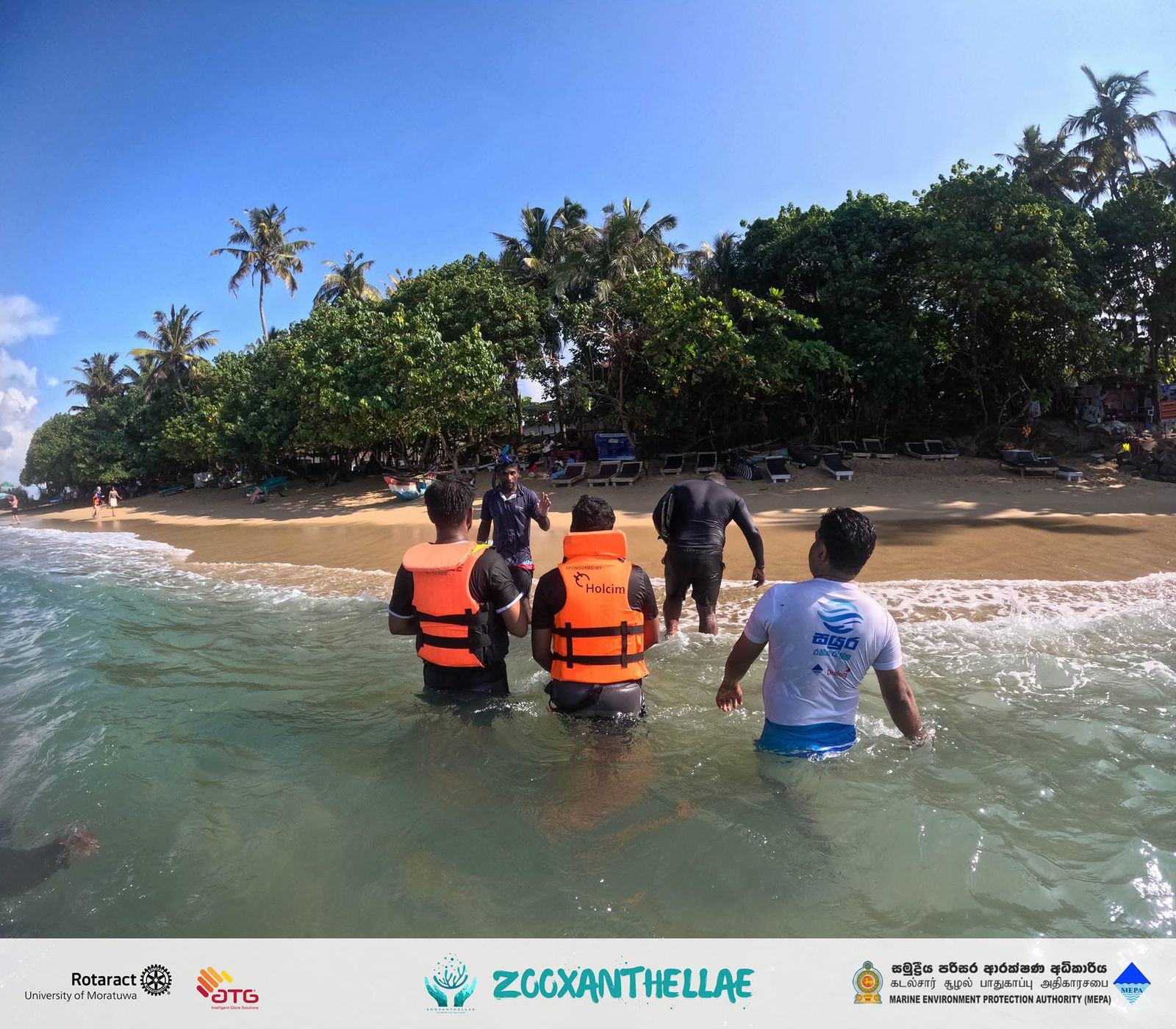
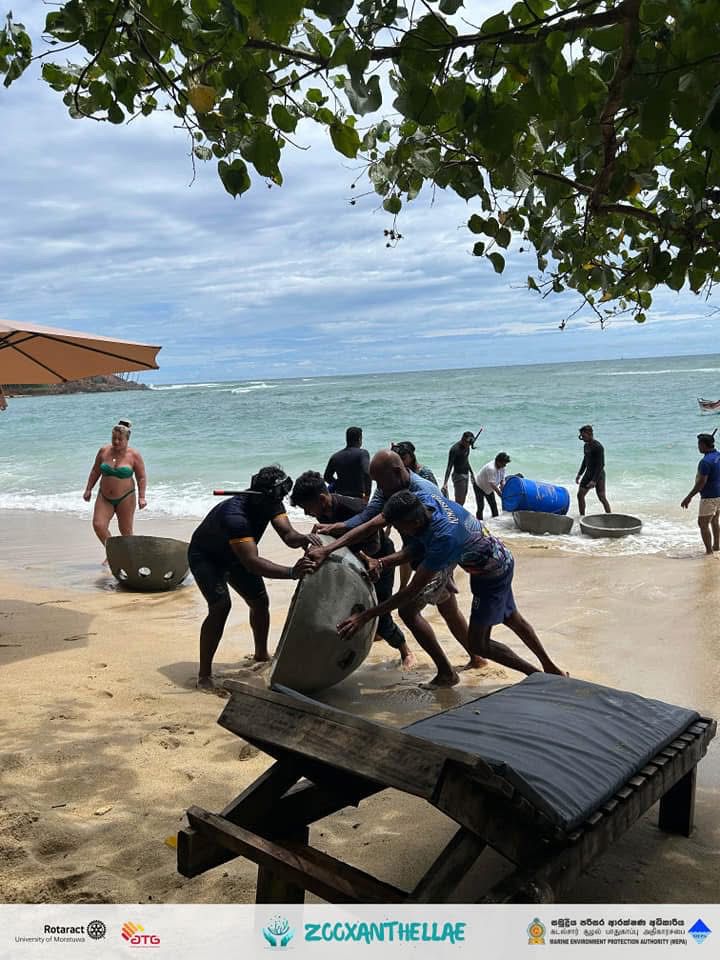
Project Zooxanthellae: Last Year’s Implementation 2024/2025
The most recent phase of Project Zooxanthellae was carried out in Mirissa, Matara, a location selected after careful evaluation of environmental and ecological factors with the guidance of marine experts. Mirissa was identified as a suitable site due to its shallow coral ecosystems and its importance to local fisheries and tourism.
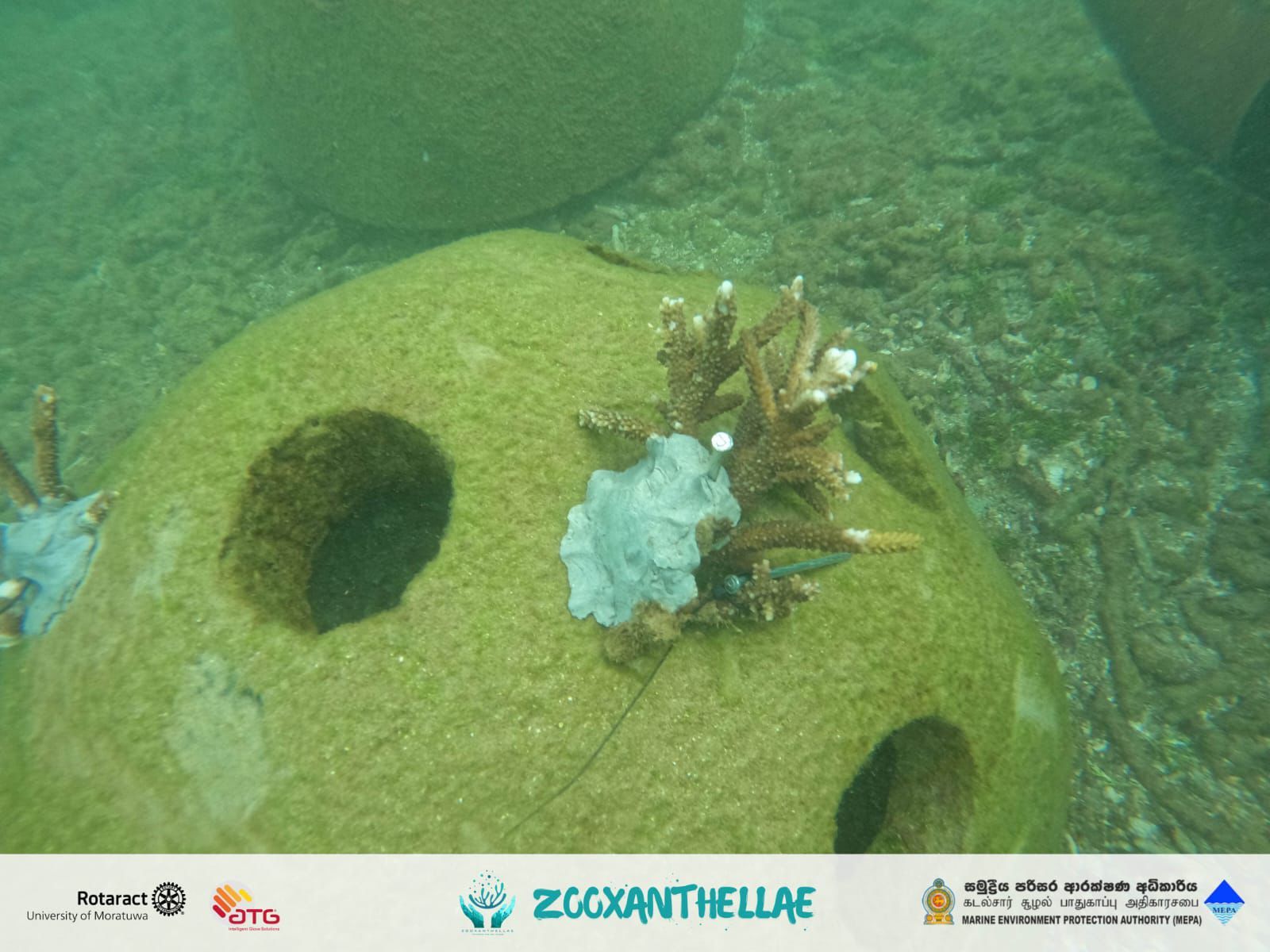
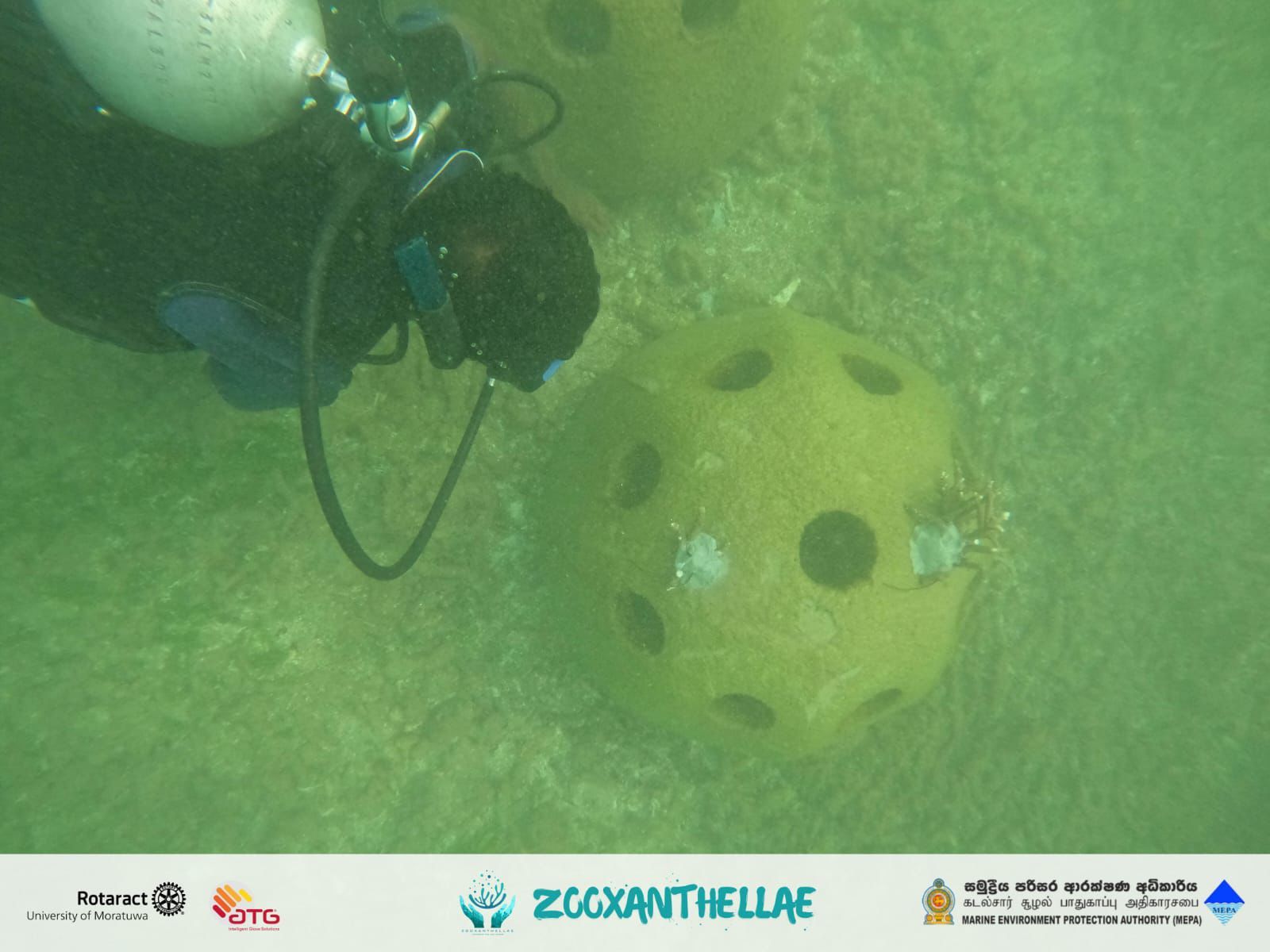
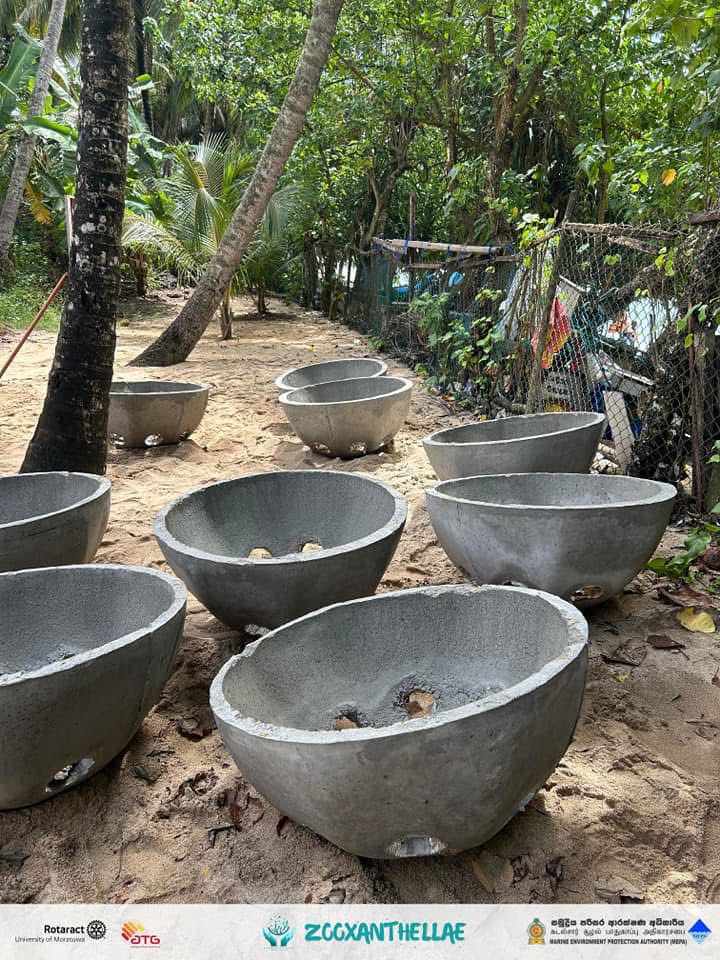
For this phase, ten specially designed concrete boulder structures were fabricated to serve as artificial reef bases. Concrete was selected due to its stability, large surface area, and suitability for coral attachment. The structures were designed to resemble natural reef formations, creating a supportive environment for coral growth.
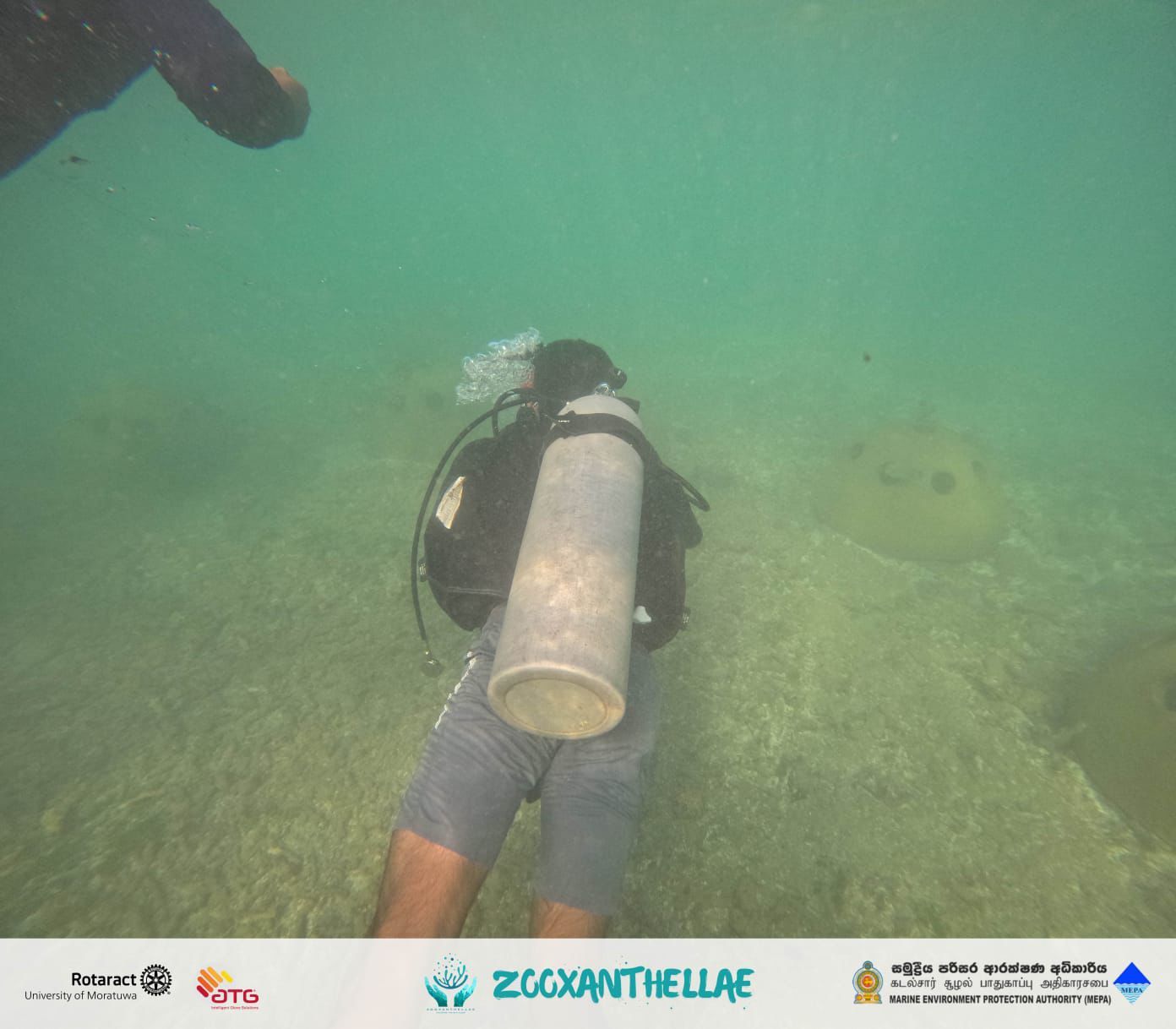
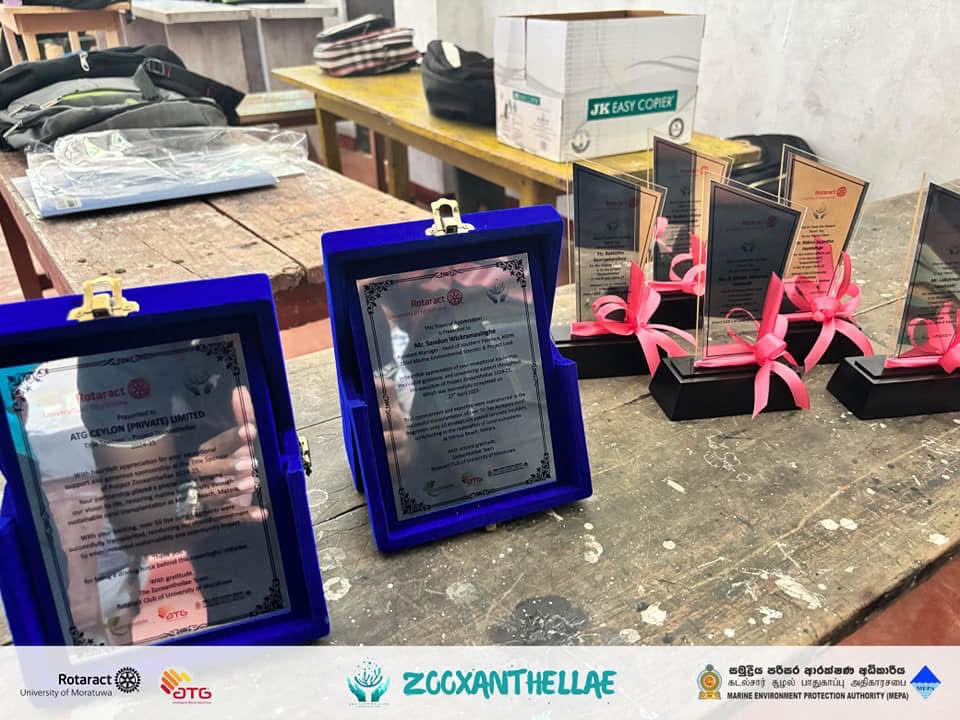
From Preparation to Deployment
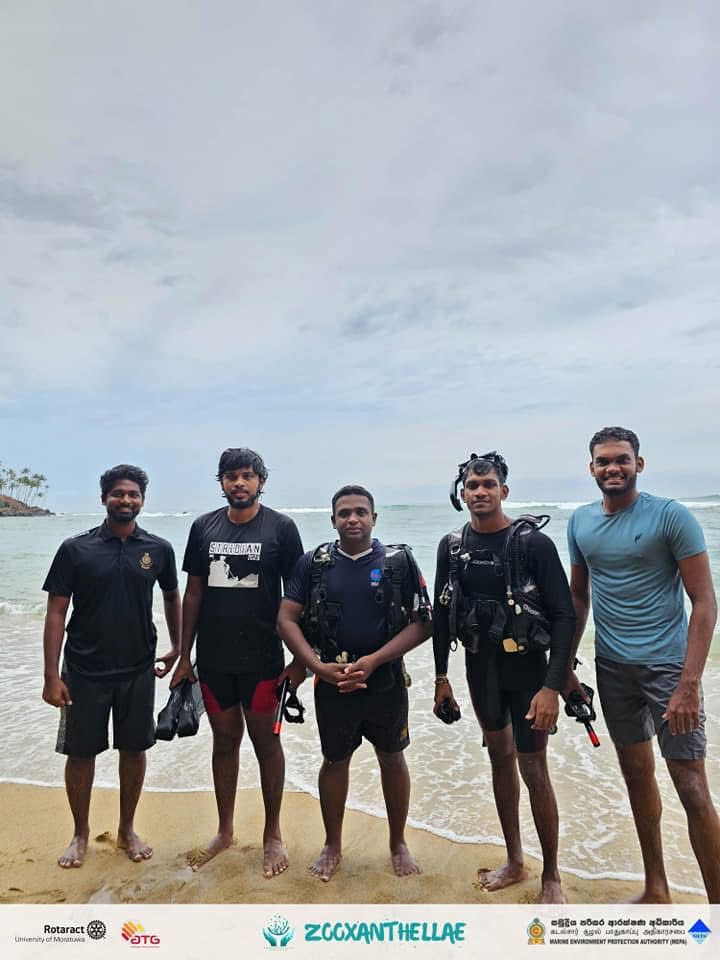
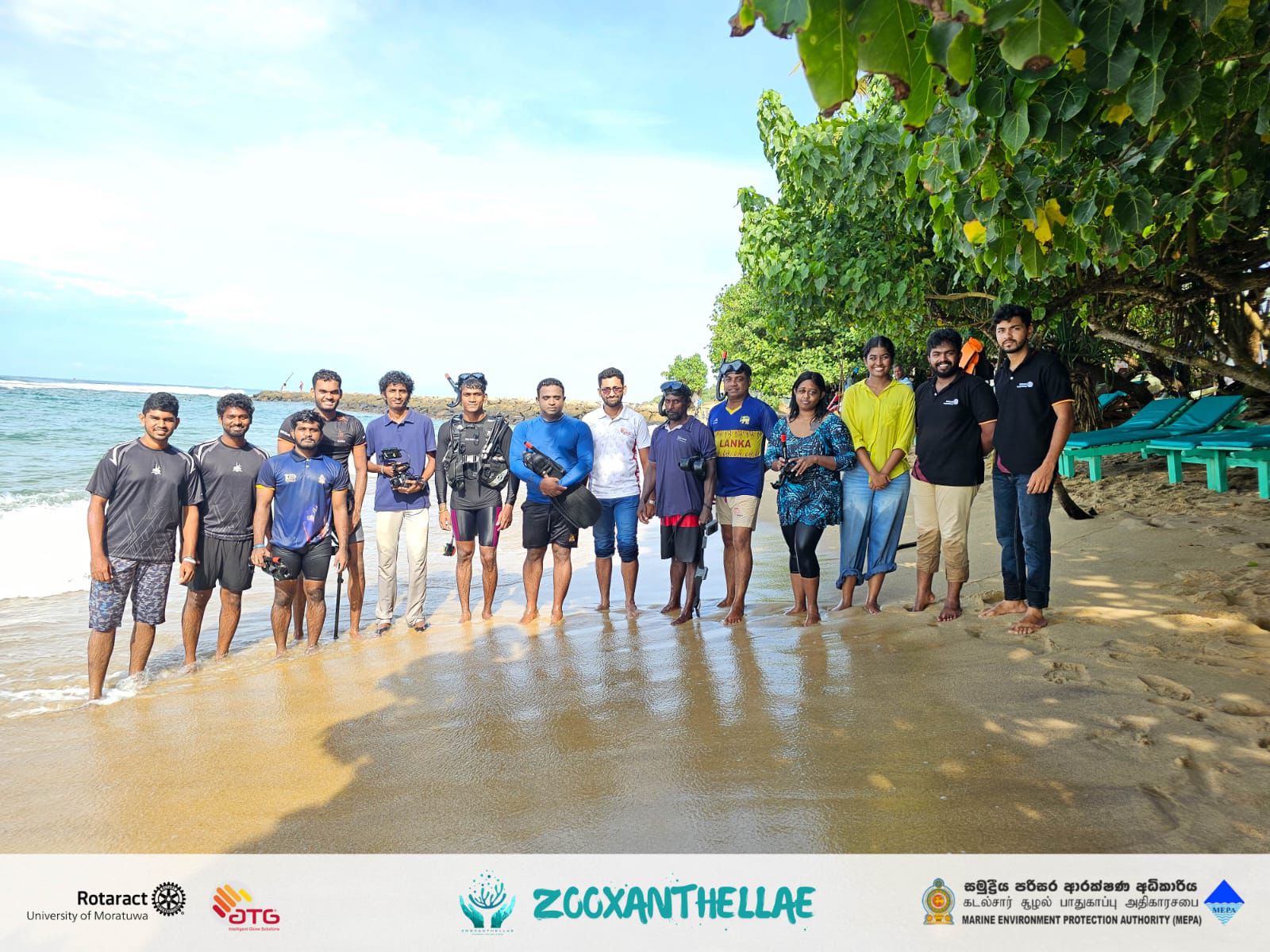
Prior to underwater operations, selected Rotaractors underwent professional diving training under the guidance of certified marine conservationist Mr. Sandun Wickramasinghe. This training ensured that all underwater activities were conducted safely, responsibly, and with minimal disturbance to existing marine life.
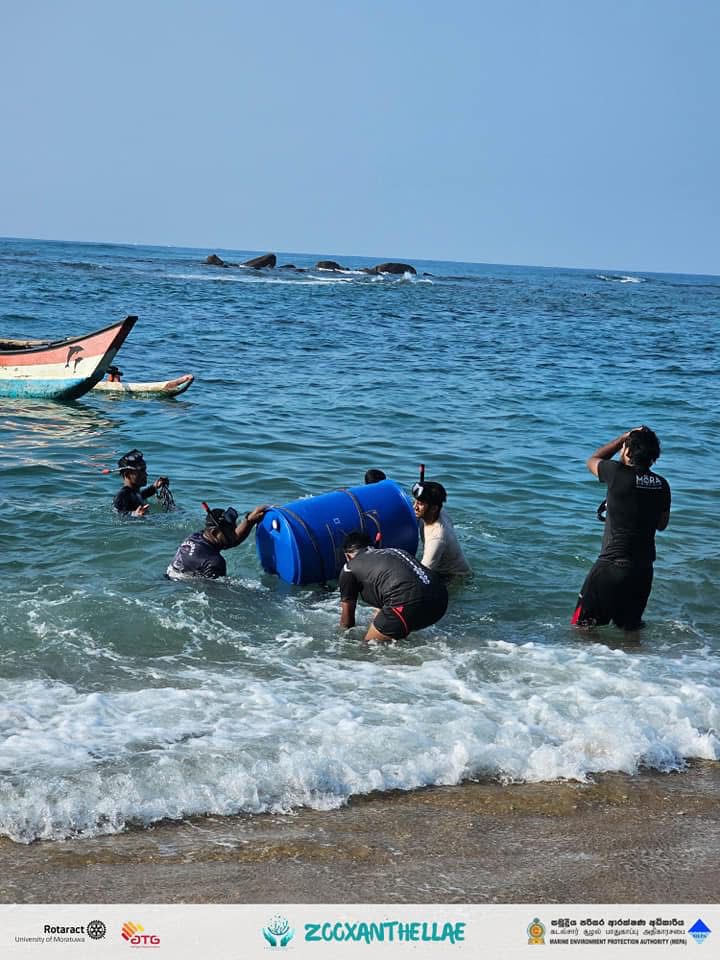
The concrete boulders were transported by boat and carefully placed on the seabed in Mirissa in two deployment sessions. Divers worked with precision to ensure proper placement and stability.
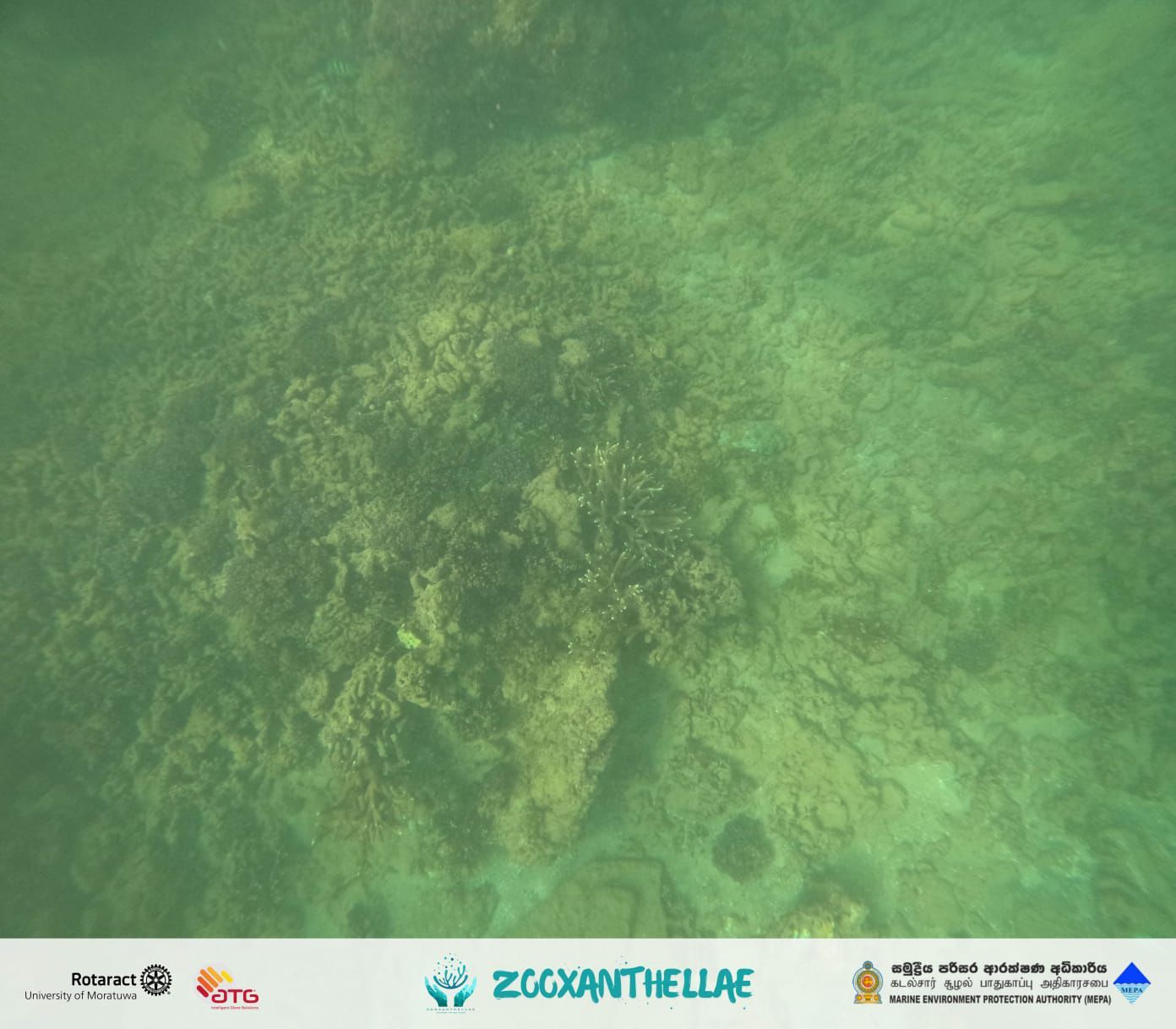
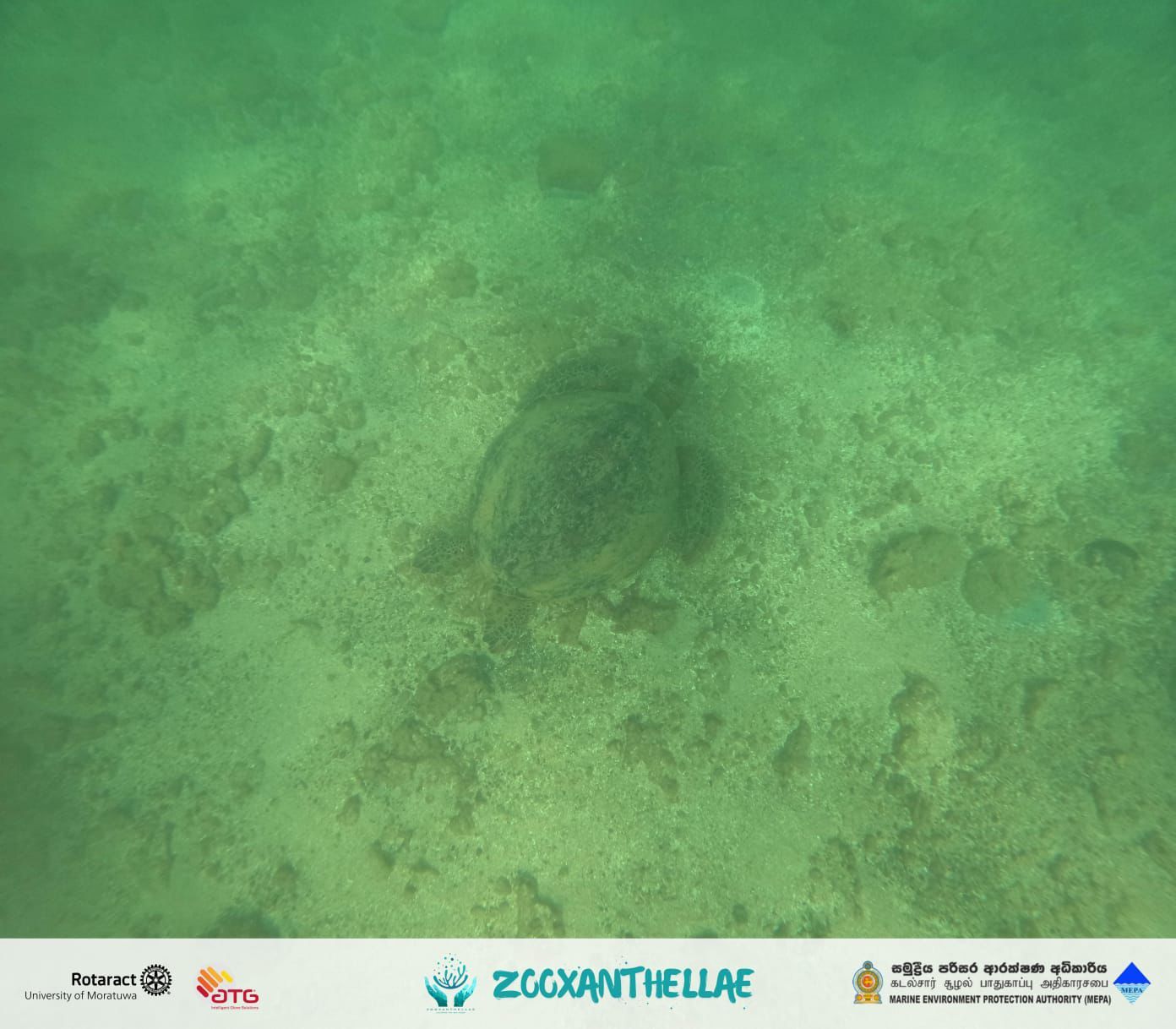
Once the structures were secured, healthy coral fragments were transplanted onto the boulders. Attention was given to positioning, sunlight exposure, and water flow to support coral survival. Initial monitoring showed encouraging signs of coral adaptation and growth.
Green Roots: Community Awareness Initiative
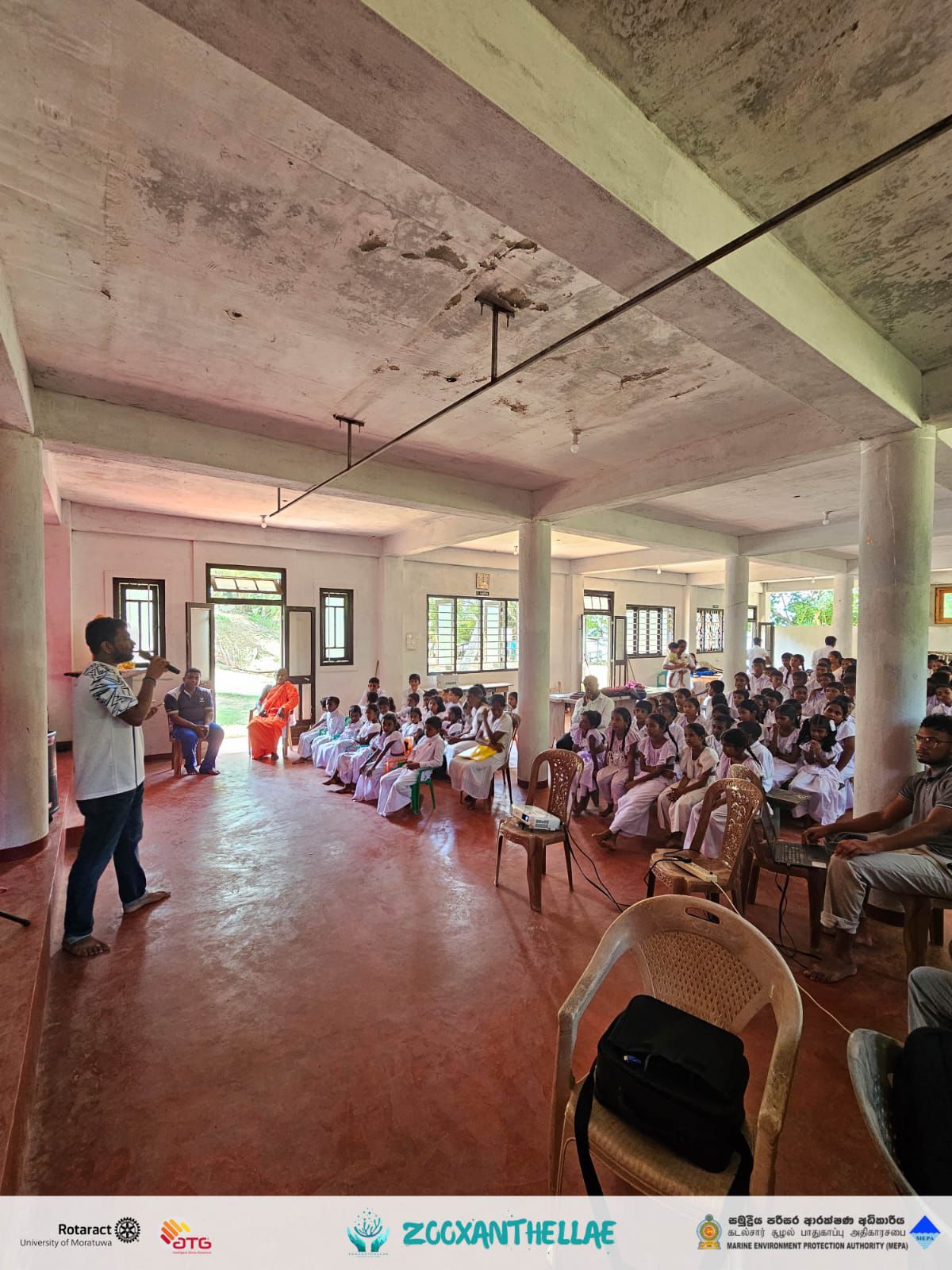
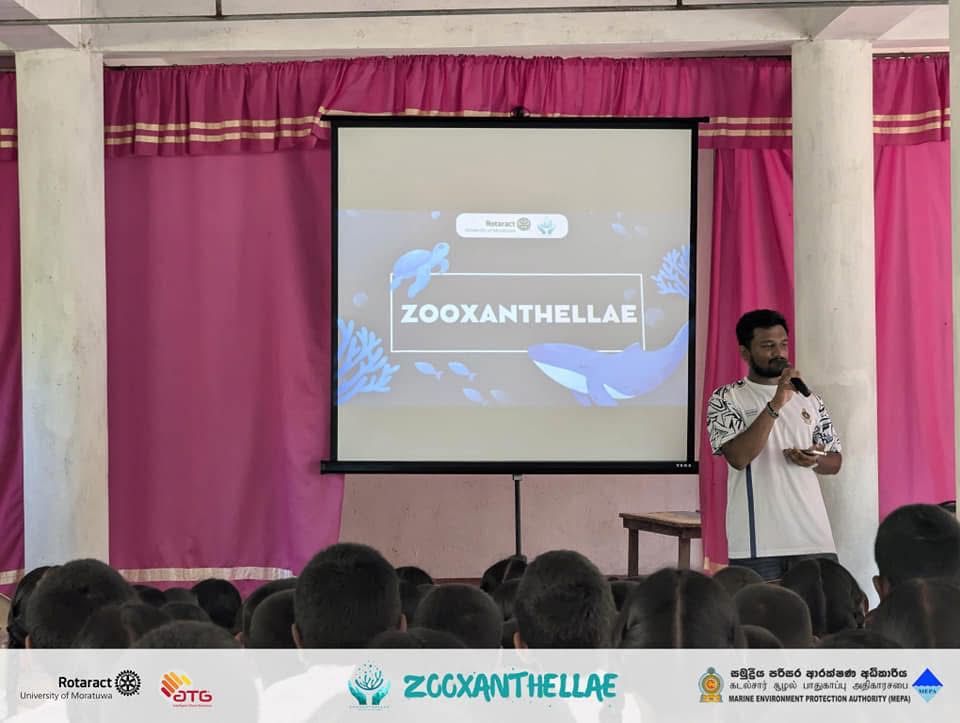
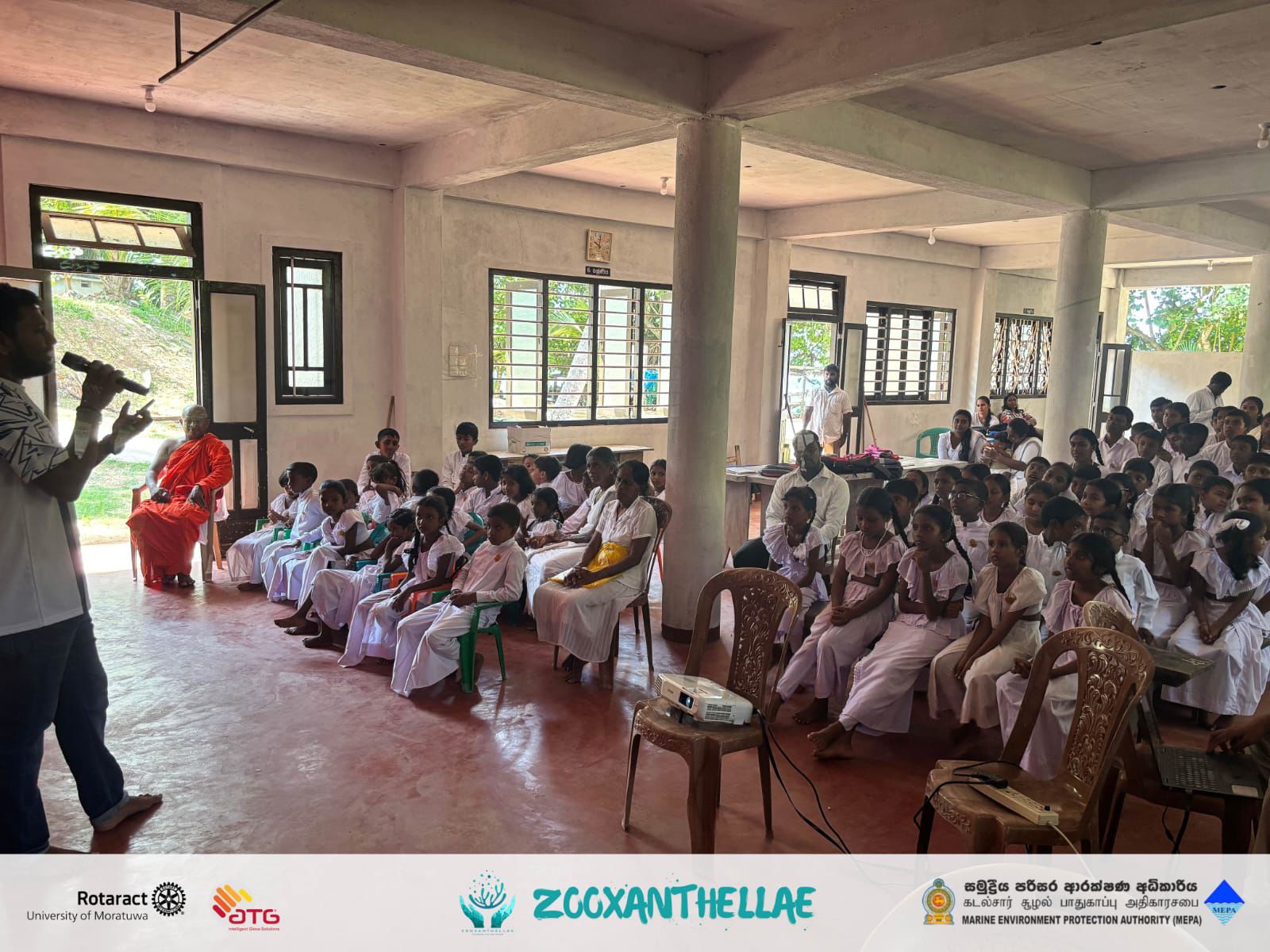
To ensure long-term sustainability, a community awareness session titled “Green Roots” was conducted at Dhammika Giri Viharaya in Bandaramulla, Mirissa. The session focused on educating the local community about coral reefs, the threats they face, and the importance of protecting newly restored reef areas.
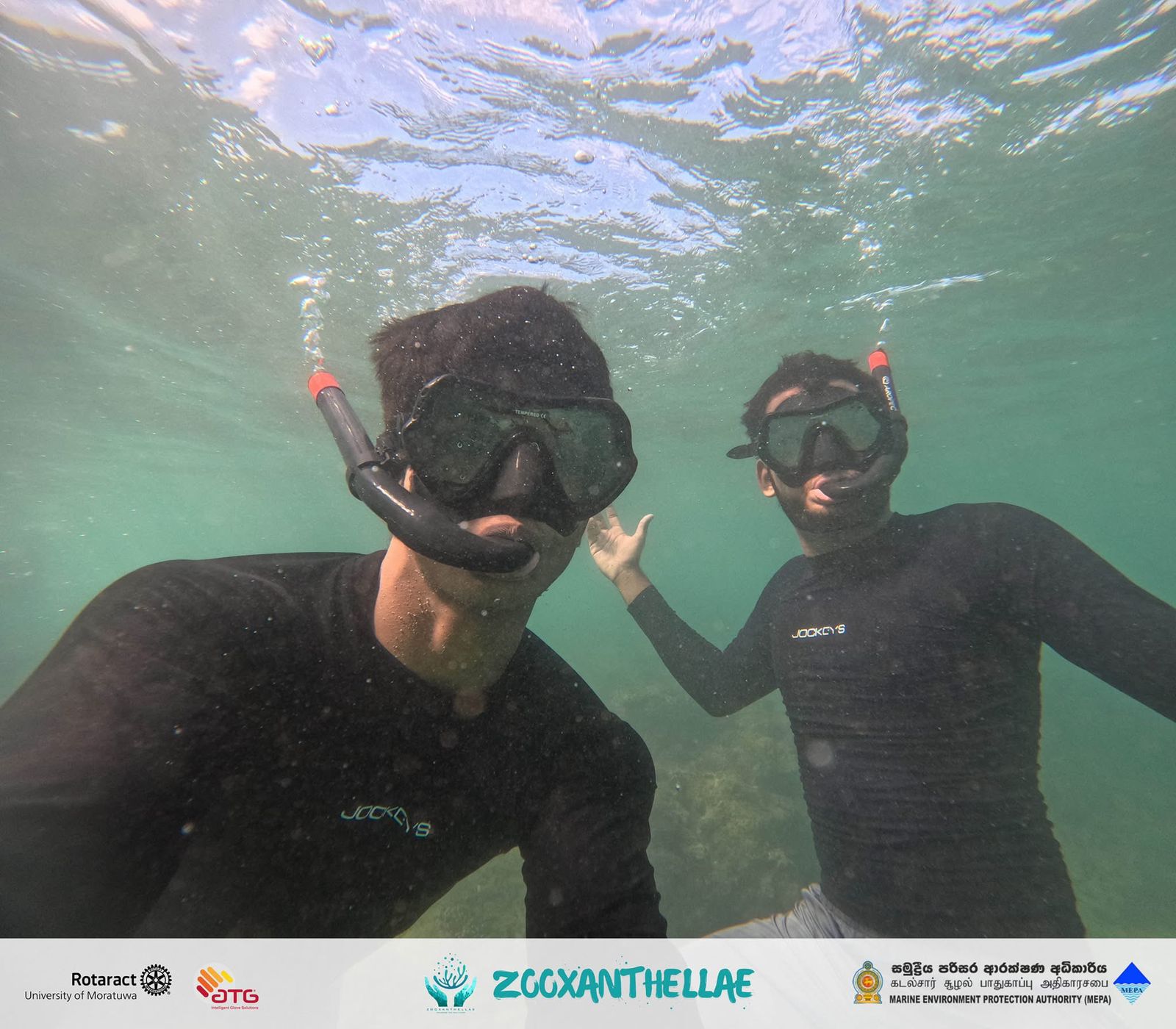
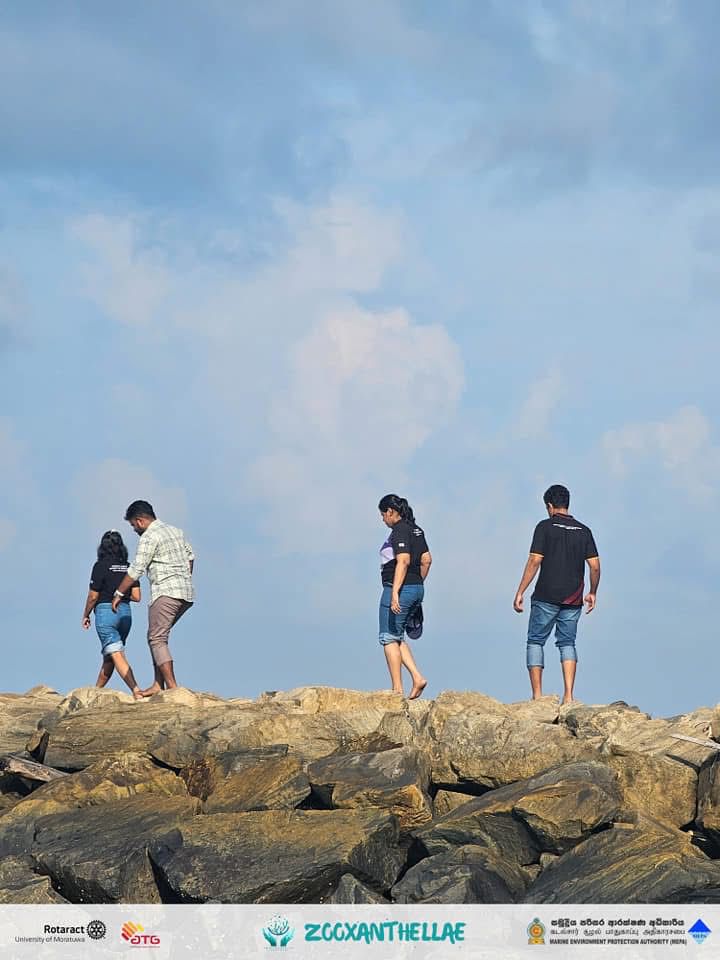
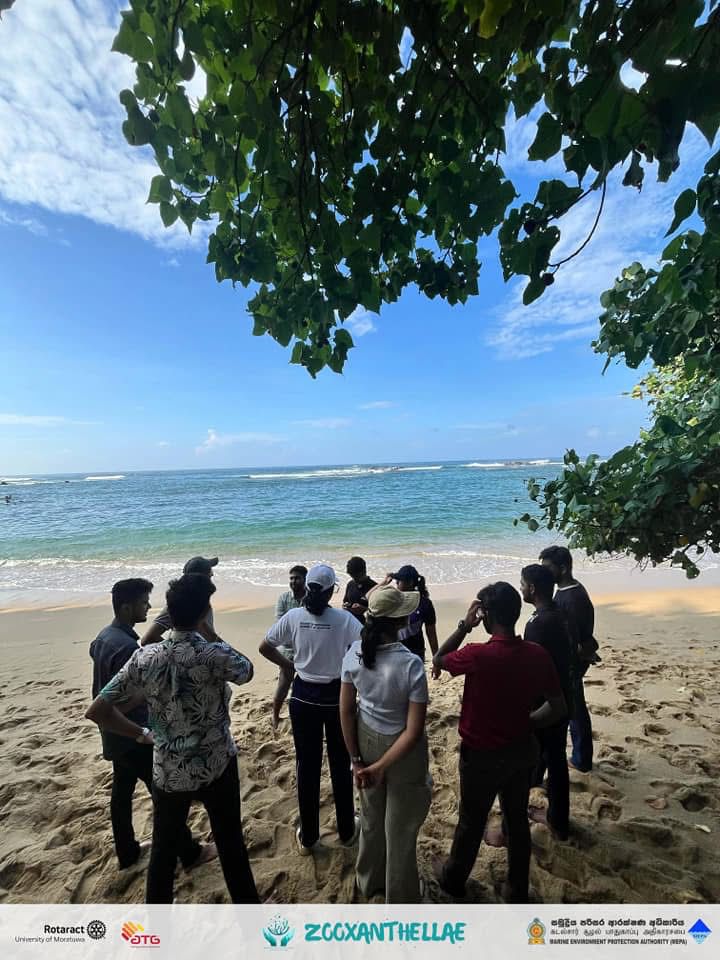
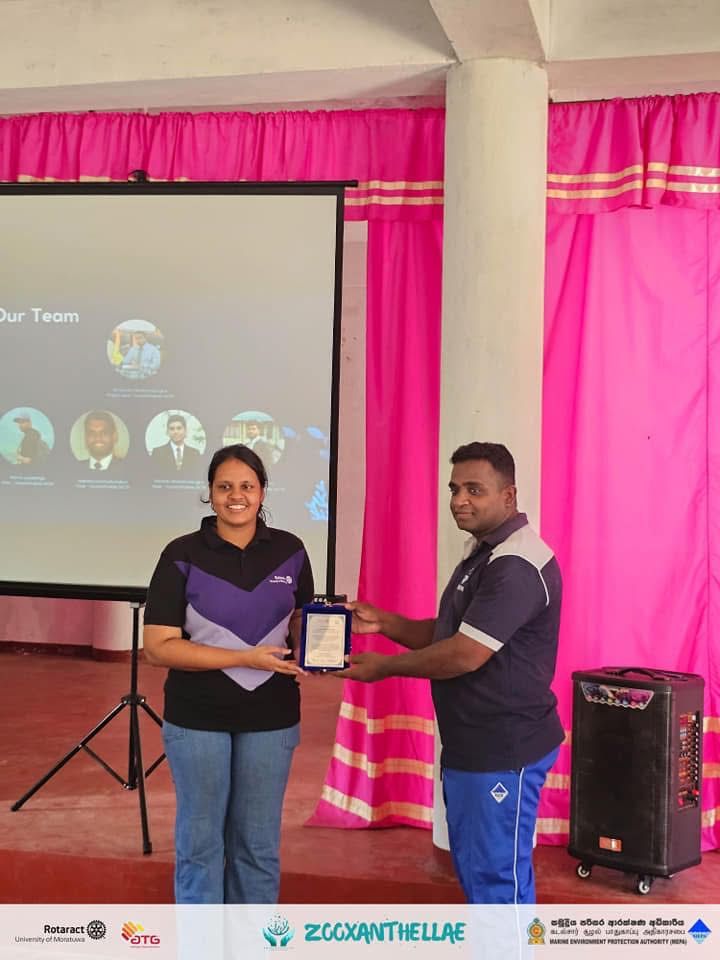
The session also recognized the divers and contributors who played a vital role in the project. Following the awareness program, Rotaractors participated in a snorkeling activity to observe the planted corals, strengthening their connection to the project’s impact.
Monitoring and Sustainability
Zooxanthellae follows a long-term conservation approach. Regular monitoring visits are carried out to assess coral survival, structure stability, and marine life activity. These observations help refine future phases and ensure the project’s continued success.
Moving Forward
Project Zooxanthellae stands as a strong example of youth-led environmental service supported by partnerships, scientific expertise, and community engagement. For many Rotaractors, including myself, it represents growth, leadership, and commitment to sustainable action.
As Rotaractors of the University of Moratuwa, we remain dedicated to protecting our marine ecosystems and inspiring collective responsibility for a healthier ocean and a more sustainable future.