
WOMEN IN ENGINEERING
Engineering has always been the primary aspect that assists people move forward. By translating concepts into tangible forms, engineers bring ideas to life. From constructing bridges to creating software, they do everything. For a long time, men were in charge of the field, but women have slowly broken down barriers and shown that innovation has no gender. In today's world, women are making great progress in many areas of engineering, including civil, mechanical, computer, and environmental engineering.


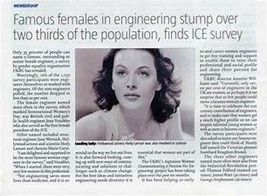
Without acknowledging the pioneers who broke with social norms, the story of women in engineering is incomplete. In the 1800s, Ada Lovelace, who is often called the world's first computer programmer, set the stage for modern computing. Emily Roebling was in charge of building the Brooklyn Bridge, when her husband got sick. Not only them, many other brilliant women like Hedy Lamarr, Grace Hopper, Katherine Johnson, Mary Jackson, Elsie Eaves have been the backbone of engineering, inspiring and motivating generations to strive for greatness and new ideas.


Over the past few decades, more and more women have become engineers, which has changed the demography of the industry in a big way. More women tend to study science, technology, engineering, and mathematics (STEM) degrees and careers worldwide, breaking traditional barriers and challenging gender biases. This growing trend can be seen in South Asian countries such as Sri Lanka and India, where girls are highly participating in Scientific and technical fields. These rising involvements reflect the meaningful progress towards greater gender balance in engineering profession.


Policies like targeted policies, mentorship, scholarships, and awareness campaigns all encourage young girls to get technical training, which is beneficial. The pitch is better and more fair when there is more variety. Studies show that teams with people from different backgrounds are more creative, better at solving complex problems, and better at coming up with solutions that work for everyone. More women in engineering means more creativity, critical thinking, and leadership in the field. This makes sure that problems in the future are looked at from all angles.
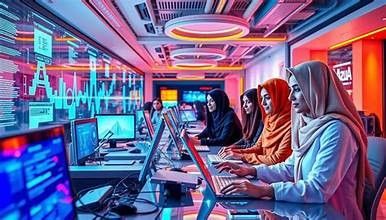
Women engineers are shaping the way things are done in many places around the world and showing the next generation how to do things. Their experiences highlight how vital it is for engineers to be creative and different, whether they're discovering new discoveries or leading in business and academia. Gitanjali Rao, a young American inventor, is known for inventing monitors that can identify if water is dirty and for using technology to fix problems in society. Her work shows that young ladies can help make the world a better place and that everyone can be creative at any age.
Professor Kumudu Munasinghe and other Sri Lankan engineers have been at the forefront of research and teaching, helping to train the next generation of engineers and share information.

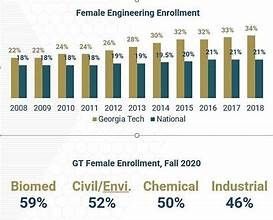
Equality is important for the future of engineering. Women are in charge of important fields like sustainable development, biomedical engineering, civil infrastructure, astronomy, renewable energy, robotics and artificial intelligence all over the world. These achievements show that gender does not have an effect on intelligence, creativity, or determination. They show that women can do well in engineering and have a lasting effect on their communities and society when they are given the tools they need to fully participate.

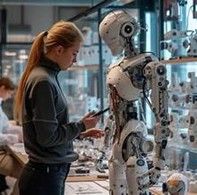
Women in engineering have shown that there are no limits to creativity. They bring new ideas, compassion, and balance to a field that used to be thought of as only technical. Every bridge that is built, every circuit that is created, and every system that is made better uses the work of many people working towards the same goal. In engineering, men and women work together to do more than just fix things and make the world a better place for everyone.