When Ego Becomes Bigger Than Love

Ego is quiet at first.
It doesn’t shout.
It doesn’t seem dangerous.
It just stands in the way and refuses to move.
Ego says:
“This is who I am.”
“If you don’t like it, leave.”
“I already changed enough.”
“I am not responsible for your feelings.”
But love is different.


Love listens.
Love cares about how the other person feels.
Love tries to make things better.
Love softens, even when it is hard.
Love sacrifices, not to control, but to protect the connection.
Love is not only care when life is easy or when the person is free.
Love is also care when someone is busy, tired, or facing struggles of their own.
It shows itself in small efforts, even when things are difficult.
Love does not ignore feelings or postpone attention because it is inconvenient.
When ego becomes stronger than care, small problems become walls.

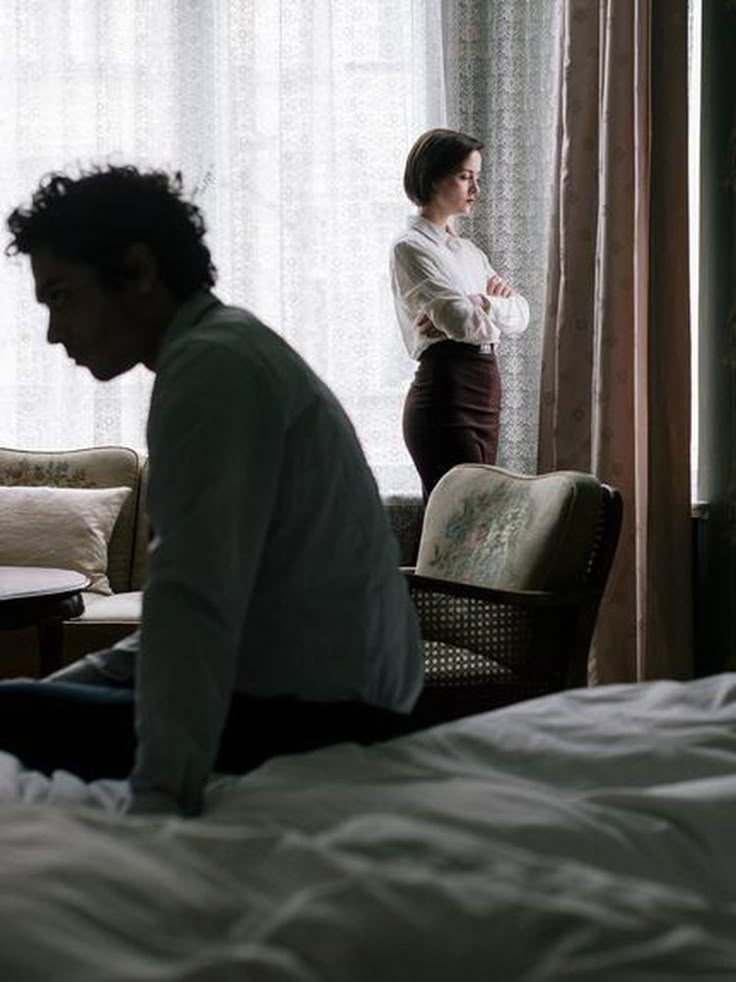
Instead of asking,
“Why are you hurt?”
ego asks,
“Why are you always upset?”
Instead of saying,
“Let’s fix this,”
ego says,
“Do what you want.”



Instead of protecting the connection,
ego protects pride.
And pride can be very expensive.
When someone feels ignored again and again,
they slowly stop speaking.
When someone feels blamed for their sadness,
they slowly stop showing it.
At first, the other person may hide the pain.
They may try to stay strong.
But the inner wound grows bigger and bigger.
Every small hurt, every ignored feeling, every unfair blame builds quietly inside.
Over time, it changes the person.
They may become quieter, more distant, less trusting.
Eventually, they may give up completely.
The energy they once gave freely starts disappearing.
The love they once showed begins to fade.
Ego does not always look like anger.
Sometimes it looks like refusing to change.
Sometimes it looks like caring more about being right than caring about the other person.
Sometimes it looks like avoiding responsibility for how someone else feels.
Sometimes it looks like putting pride or convenience above love.
True love does not mean changing yourself completely.
It does not mean losing who you are.

But it does mean caring about the other person.
It means softening, understanding, and adjusting in ways that protect both hearts.
Being with someone you love is not the same as living with others.
It is not usual to take each other for granted or assume everything will be fine without effort.
Love requires attention, respect, and care every day, even in small, unnoticed moments.
Love grows where people care for each other.
Love disappears where ego is stronger than feelings.
Love cannot survive when one person keeps taking and the other keeps giving.
If care and understanding are missing,
the relationship may look normal on the outside.
People may laugh, spend time together, or forgive mistakes.
But inside, distance is growing.
The soft heart that gives too much may start to protect itself.
It may stop expressing pain.
It may stop asking for what it needs.
It may finally decide that it cannot continue.
Because love is not about winning arguments.
Love is not about keeping pride above the other person.
Love is about keeping the connection alive.
It is about listening, understanding, softening, and giving even when it is difficult.
And when ego is stronger than care,
when pride matters more than feelings,
and when responsibility is avoided,
love slowly becomes lonely.
And after a long time, the person who gave everything may quietly walk away.