The Secret Life of Your Recycled Jersey
Have you ever looked closely at the Sri Lankan Cricket team’s jersey and wondered what it is really made of?
It feels soft, lightweight, breathable, and comfortable just like any normal sports fabric. But what if you found out that it may have once been a used plastic bottle, like a Sprite or water bottle thrown away on a beach in Mount Lavinia?

This may sound surprising, but today, fashion and sustainability are closely connected. The textile industry is no longer only about making clothes look good. It is also about protecting the environment and reducing waste. One of the most exciting innovations in this area is rPET (Recycled Polyethylene Terephthalate) fabric. In simple words, plastic waste is being turned into wearable fashion.
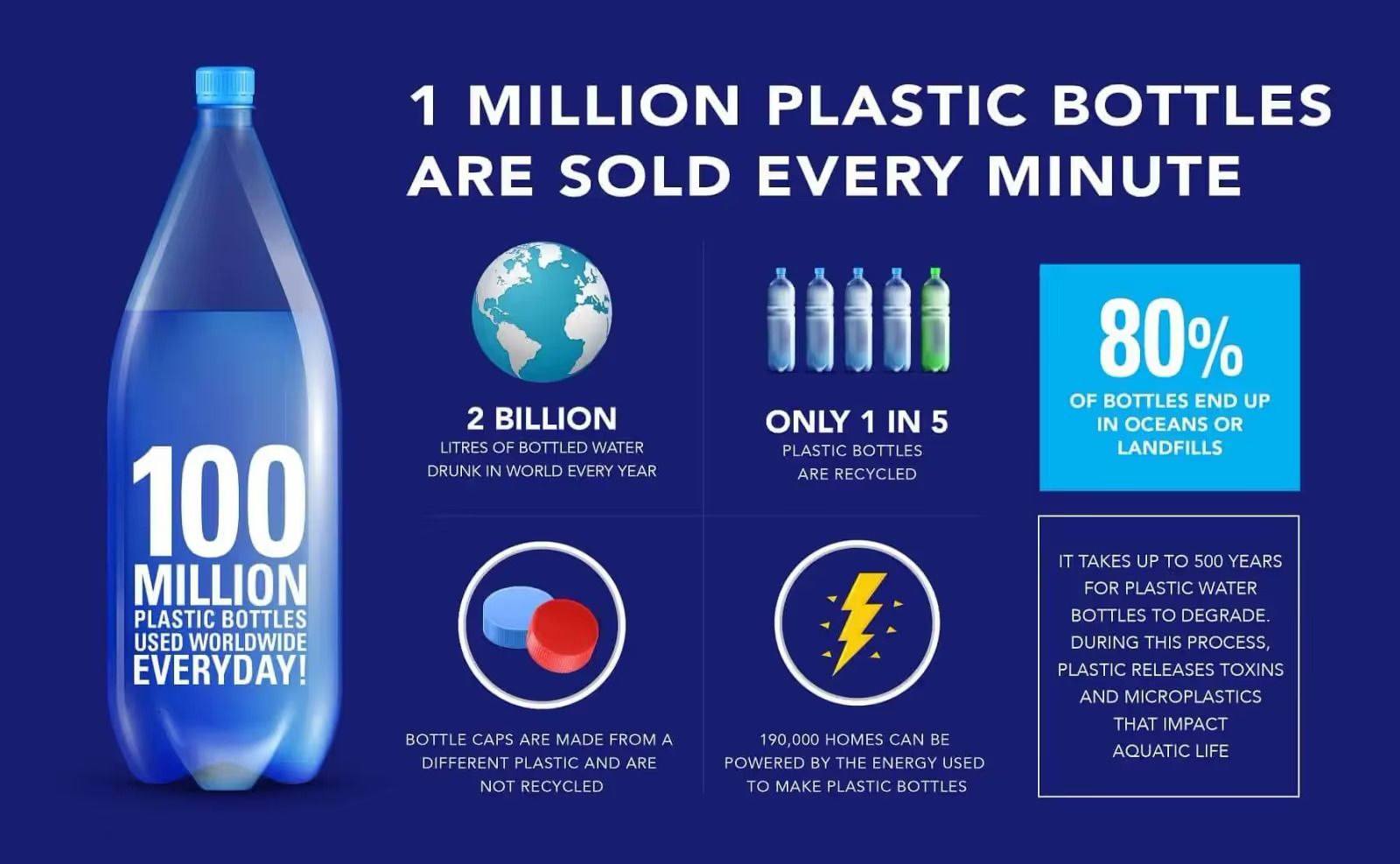
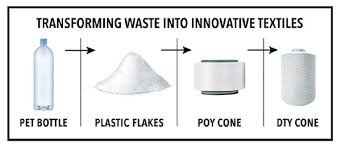
Plastic bottles are used every day all over the world. Unfortunately, many of them are not recycled properly. They end up in landfills, rivers, and oceans, where they can take hundreds of years to break down. Marine animals often mistake plastic for food, which causes serious harm to ecosystems. Instead of letting plastic destroy the environment, scientists and textile engineers found a smart solution reuse plastic waste by turning it into fabric. This reduces pollution, saves resources, and gives plastic a second life.
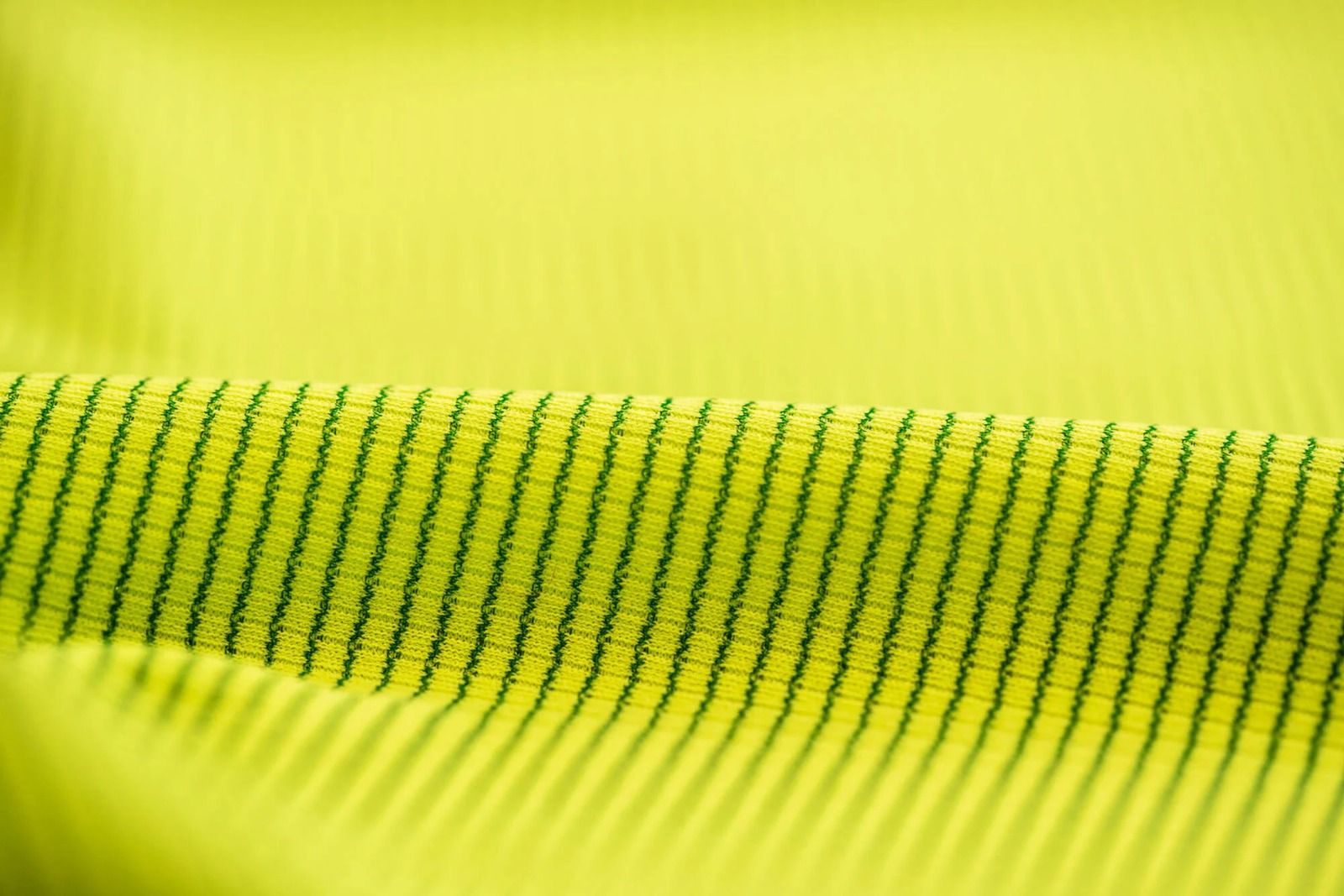
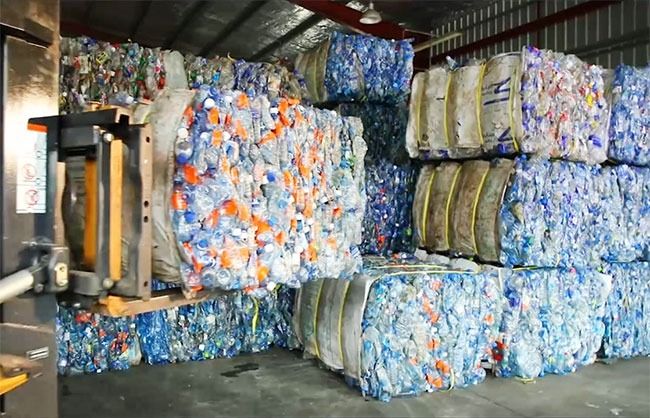
Many people think recycling plastic is easy, but turning a hard plastic bottle into soft, flexible fabric requires careful processes and advanced technology. Here is how it happens in simple steps:
1. Collecting and Cleaning
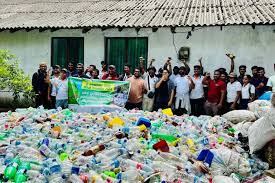
Used plastic bottles are collected from recycling centers, streets, beaches, and households. They are thoroughly washed to remove dirt, sand, and chemicals. Labels, caps, and other non-plastic parts are removed because they cannot be used in fabric production.
2. Cutting into Small Pieces
After cleaning, the bottles are crushed and cut into tiny pieces called plastic flakes. These flakes are then melted and converted into small plastic chips. At this stage, the plastic is completely transformed from its original bottle shape.
3. Making Fibers
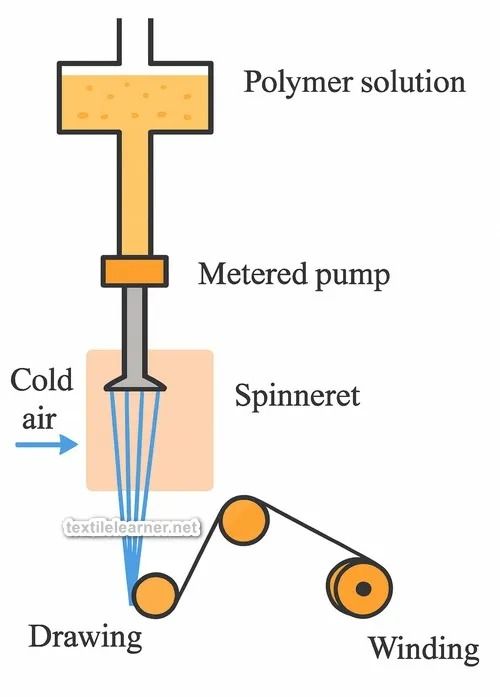
The plastic chips are melted again until they become a thick liquid. This liquid is pushed through extremely small holes, similar to a shower head. When the liquid cools, it forms very thin fibers that look like threads.
4. Making Yarn and Fabric
These fibers are stretched to increase their strength and durability. Then they are twisted together to make recycled polyester yarn, which can be knitted or woven into fabric. This fabric is later dyed, finished, and turned into clothing such as jerseys, leggings, and jackets.
On average, about 7 to 10 plastic bottles are needed to make one t-shirt. That means every recycled garment helps remove plastic from landfills and oceans.
Many people do not realize this, but Sri Lanka is a global leader in sustainable textile manufacturing. Companies like Eco Spindles and MAS Holdings work with world famous brands to produce high quality fabric made from recycled plastic. When Sri Lanka Cricket introduced their “Ocean Plastic” jersey, it was more than just a fashion statement. It showed the world that sportswear can be ecofriendly, comfortable, durable, and stylish at the same time. This initiative also raised awareness about ocean pollution and responsible consumption.

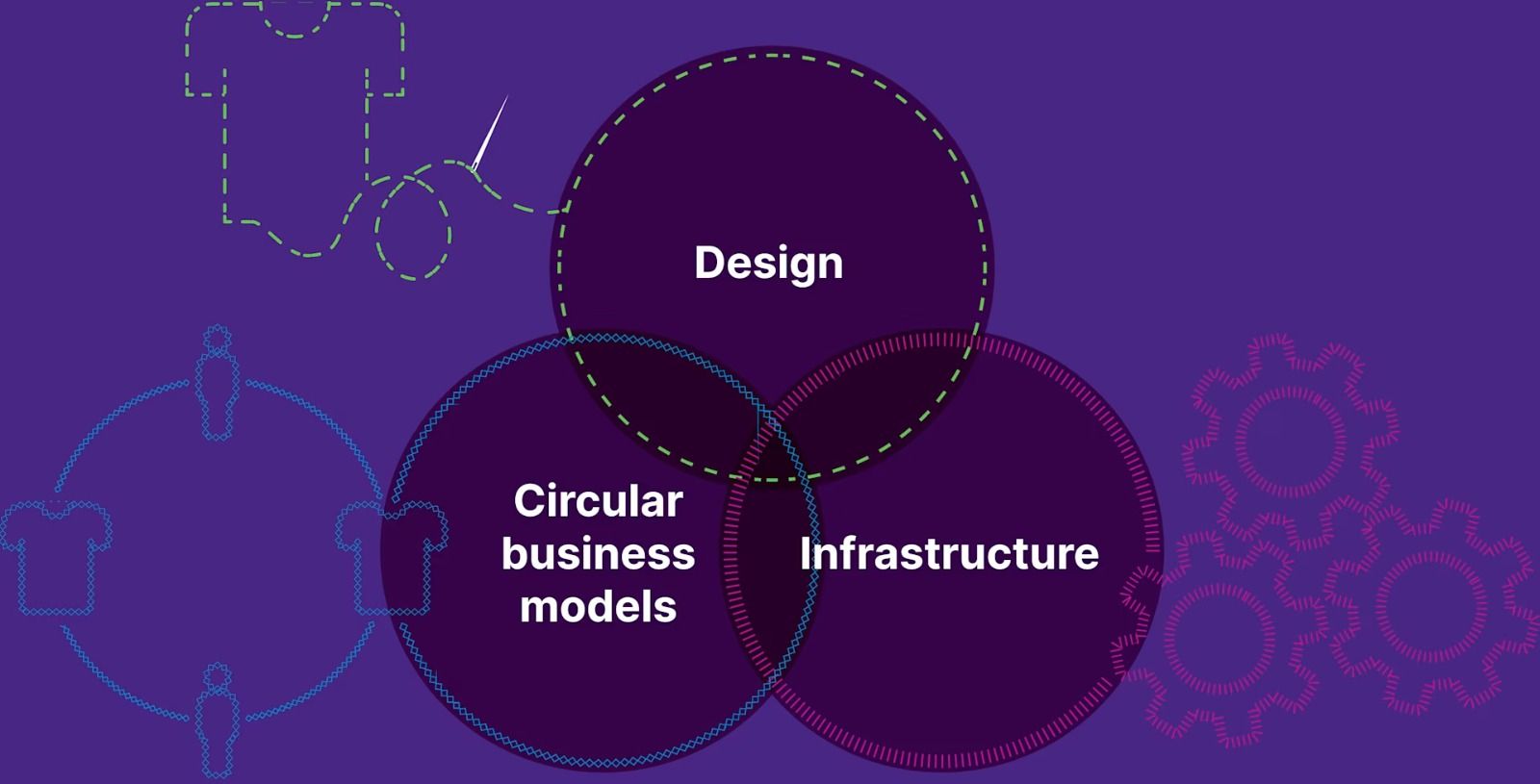
Recycling plastic bottles is only the beginning. The future goal of the textile industry is circular fashion. Circular fashion means:
- Old clothes are collected instead of thrown away
- Fabrics are recycled and reused
- New clothes are made from old ones
- Waste is reduced to a minimum
In this system, nothing is wasted, and resources are used again and again.
As future textile engineers, designers, and professionals, we have an important role to play. We must develop fabrics and garments that are not only functional and attractive but also environmentally responsible. Innovation, sustainability, and ethical production should guide the future of fashion.
So next time you buy a jersey, leggings, or sportswear, take a moment to read the label. If it says “Recycled Polyester”, feel proud. You are not just wearing clothes you are wearing a smart solution to plastic pollution and supporting a cleaner, greener planet.
Bottom of Form
References & Further Reading
- Eco Spindles Sri Lanka – Manufacturer of recycled yarn
Website: ecospindles.com - MAS Holdings – Ocean Plastic Project
MAS Holdings News - Textile Learner – Polyester Production Process
Article: Production Process of Polyester Fiber
Image Credits: MAS Holdings, Eco Spindles Sri Lanka, Textile Learner