The Golden Cage: Unpacking the Hidden Trauma of Overprotective Perfectionism


Once she was a happy child, grinning at life with empty joy, with no cares for the world. She was surrounded by too much of love, her parents are watching her all the time, she was introduced as the best daughter in the world. She was expected to be a role model for others. She was not allowed to choose things on her own. She did not care about that, because she was always showed what to do, she was always told what to do.


But what happens to her when she grows up? I was once her. My parents were overprotective and expected perfectionism from me. I was that kid who was everyone’s role model. I had to be so obedient to my parents and adults, but deep inside my mind, I craved to be mischievous: I was fed up with perfectionism.


Growing up in such an atmosphere can lead to serious consequences in adulthood. I am undergoing such consequences right now, and this blog aims to shed light on those silent sufferers.
When you are raised by overprotective and strict parents, you are likely to become an introvert (though I am not suggesting all introverts come from such families). They are often silent, have few friends or prefer to spend time alone. But when they fall for someone, that one person becomes their whole world, and they spontaneously open up- sometimes sharing too much.
Another struggle these people face is indecisiveness. When parents are always involved in the decision-making process, the child begins to fail at making choices on their own.
When you are expected to be perfect, that places a heavy weight on your head. Naturally, these individuals crave to break rules and be ‘bad’. Most start to secretly engage in so-called inappropriate things, which vary from person to person. I have found this to be true talking to a few such friends of mine, and I can relate to it myself as well.

Most of such people become secretive, they fear to share things, especially with parents. Sometimes they found it easy to open up for a stranger than their dear once. This is often because a stranger has no investment in their “perfect” image and poses no threat of judgment that could damage their standing within the family or social circle. The secretiveness is a survival mechanism.

There is a possibility such children become overthinkers. The combination of indecisiveness and their fear of shattering their perfect image is a recipe for anxiety and overthinking. Their fear to lose people, their fear to shatter their image, would leads unnecessary thinking. The result is becoming an overthinker, sometimes this leads to depression as well. The mind becomes a constant courtroom where every past action and future possibility is endlessly scrutinized.

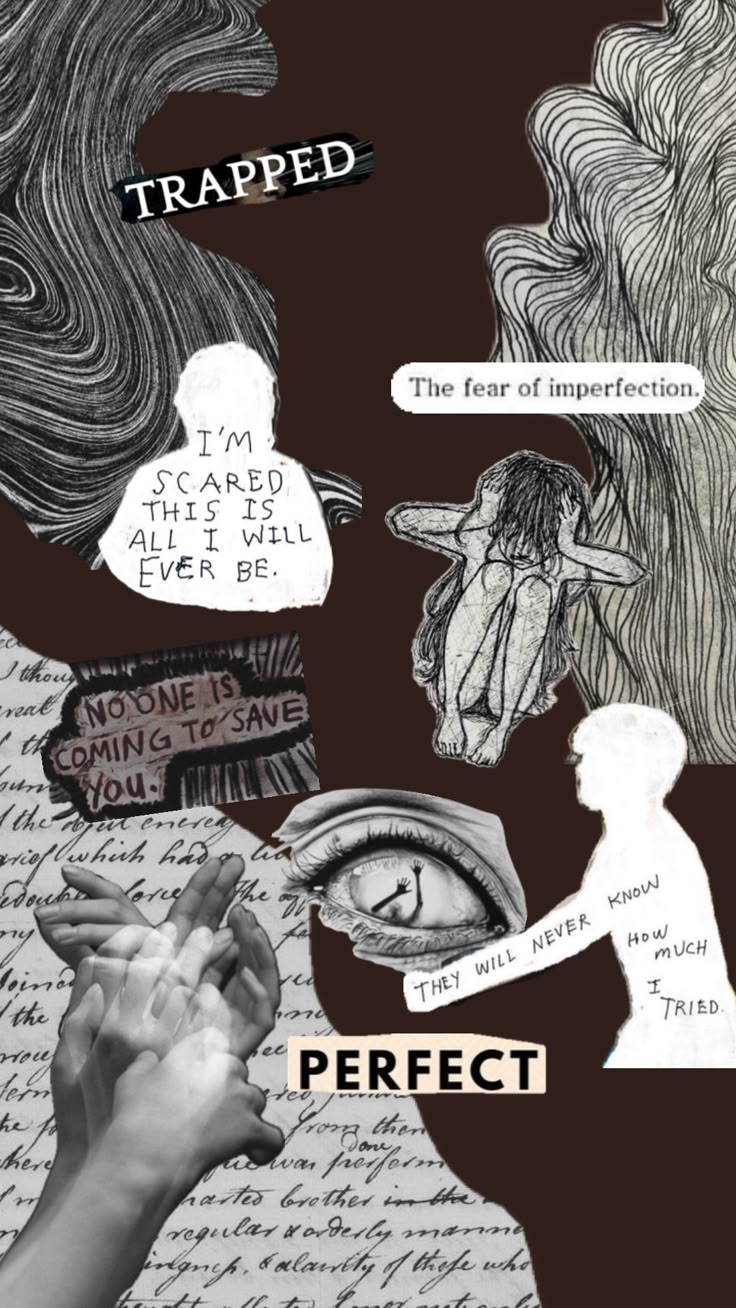
So how to start healing: First Steps for the “silent Sufferer”
1. Countering indecisiveness: The Power of Small Choices.
Implement the “Two-Minute Rule for Low Stakes.” If a decision has minimal long-term consequences and takes less than two minutes to make, just chose one and move on. This trains your brain to trust your impulse and tolerate the discomfort of not knowing if it was the best decision.
2. Addressing Perfectionism: Allowing for “Good Enough”
Try a small act of “Wabi-Sabi” in daily life. Wabi-Sabi is a Japanese philosophy that finds beauty in imperfection, impermanence, and incompleteness. It can be simply choosing not to polish a task to 100% completion when 80% is truly “good enough”.
3. Building Trust: Conscious, Measured Sharing
Practice “Incremental Vulnerability” with one safe, non-judgmental friend or partner.


The First Step Back to Yourself
For so long, we lived inside a gilded cage of expectations, always waiting for permission or direction. The "best daughter" or "role model" you were forced to be was a highly effective survival mechanism, but it left the real you isolated and paralyzed by the fear of being seen as anything less than flawless. The silent suffering you carry, the indecisiveness, the heavy cloak of secretiveness, and the constant overthinking are not flaws of character; they are scars of a childhood without choice.
The journey toward healing, therefore, is simply a journey back to the self you had to suppress.
When you implement the Two-Minute Rule for Low Stakes, you begin to reclaim the power of choice that was taken away. When you practice Wabi-Sabi, you finally give yourself permission to be "good enough," shattering the tyranny of perfectionism. And through Incremental Vulnerability, you undo the lifetime of secretiveness, learning to trust the world with the real you, flaws and all.
Healing isn't about being perfect at these steps; it’s about allowing yourself the radical imperfection you were once denied. You don't have to be a silent sufferer forever. You just have to be willing to take the first, small, imperfect step.