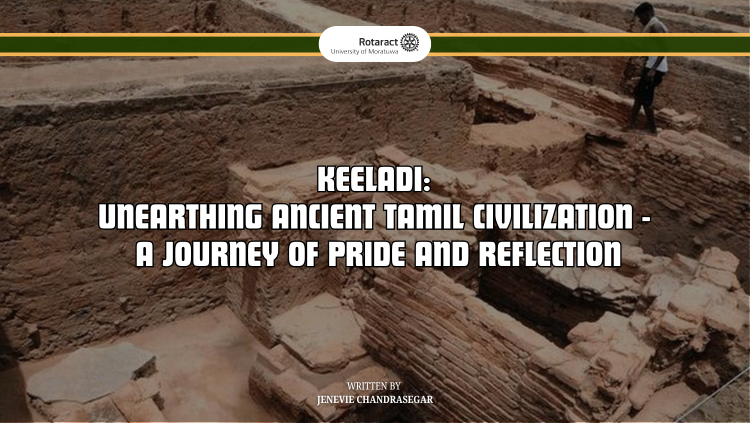
Keeladi: Unearthing Ancient Tamil Civilization - A Journey of Pride and Reflection

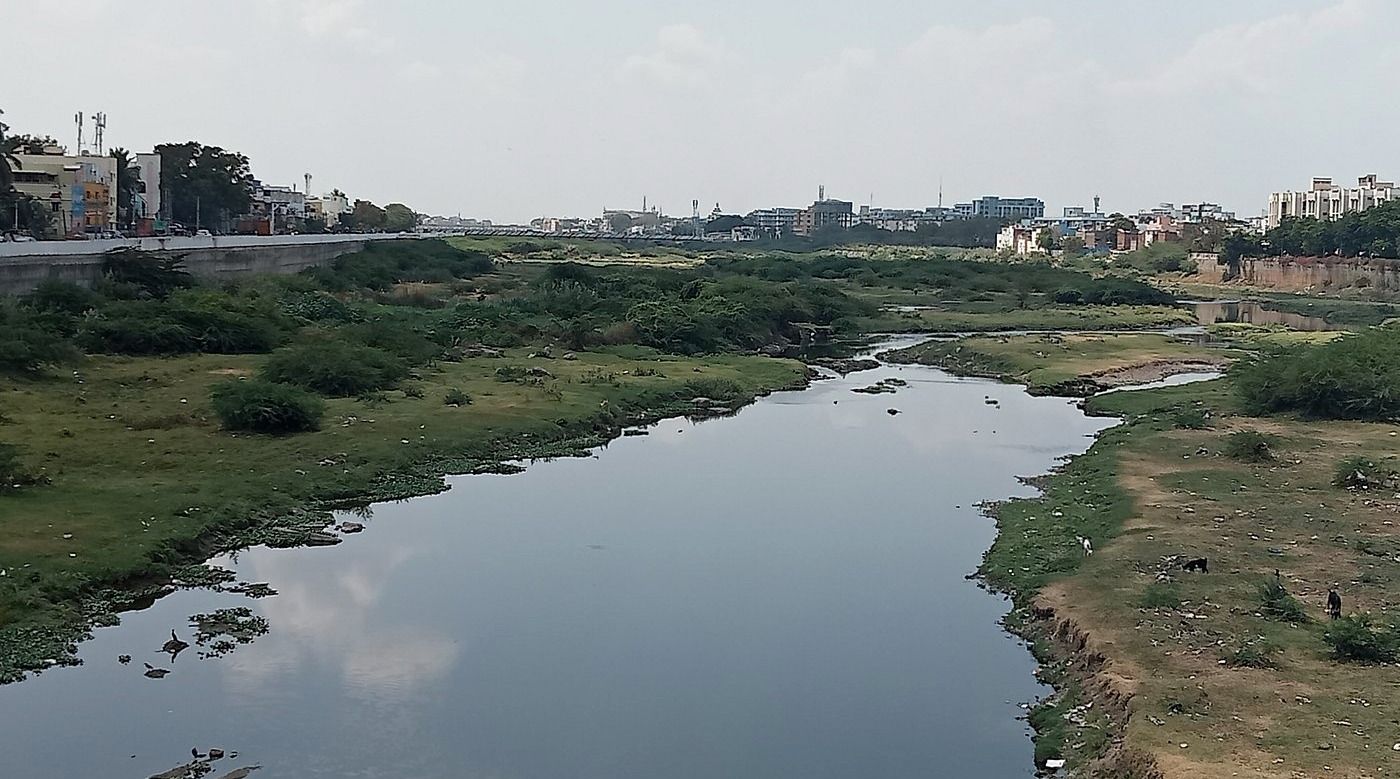
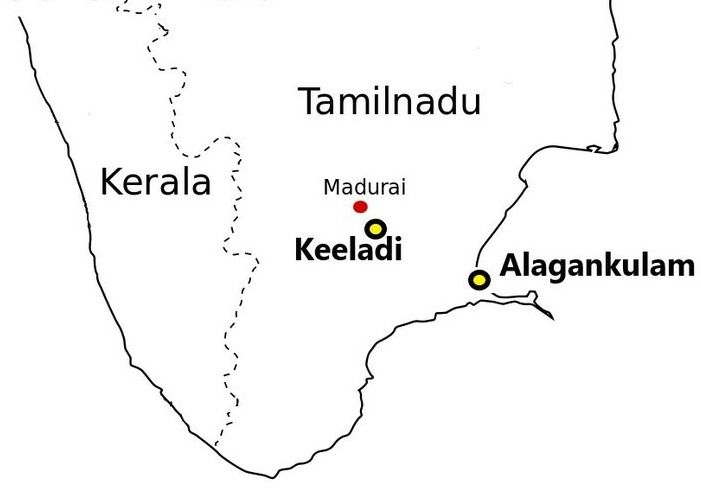
Not long ago, a quiet village on the banks of the Vaigai River, Keeladi astonished the world. What appeared to be nothing more than ordinary soil and old bricks was, in truth, a gateway into the past. Beneath the earth lay stories, skills, and lives from more than two thousand years ago. The artifacts, inscriptions, and buried structures whispered: “We existed. We flourished. We created.”Suddenly, the heritage we once encountered only through poems, legends, and textbooks stood firmly before us in tangible form.
A Civilization Unearthed
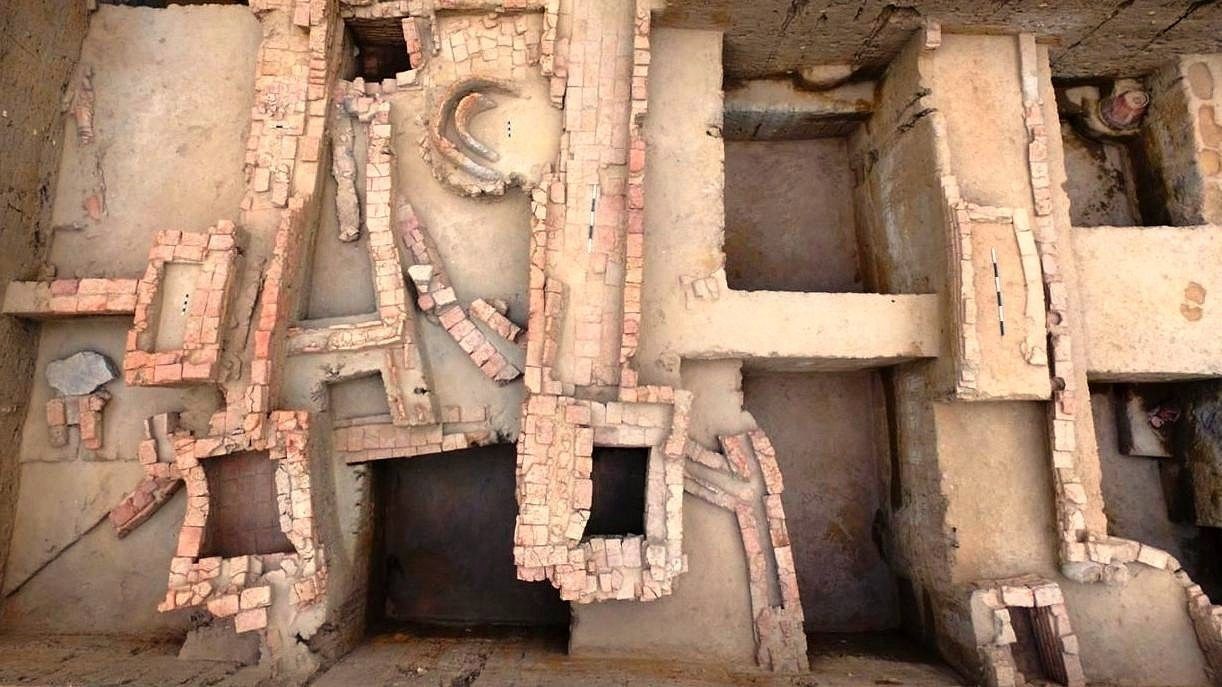
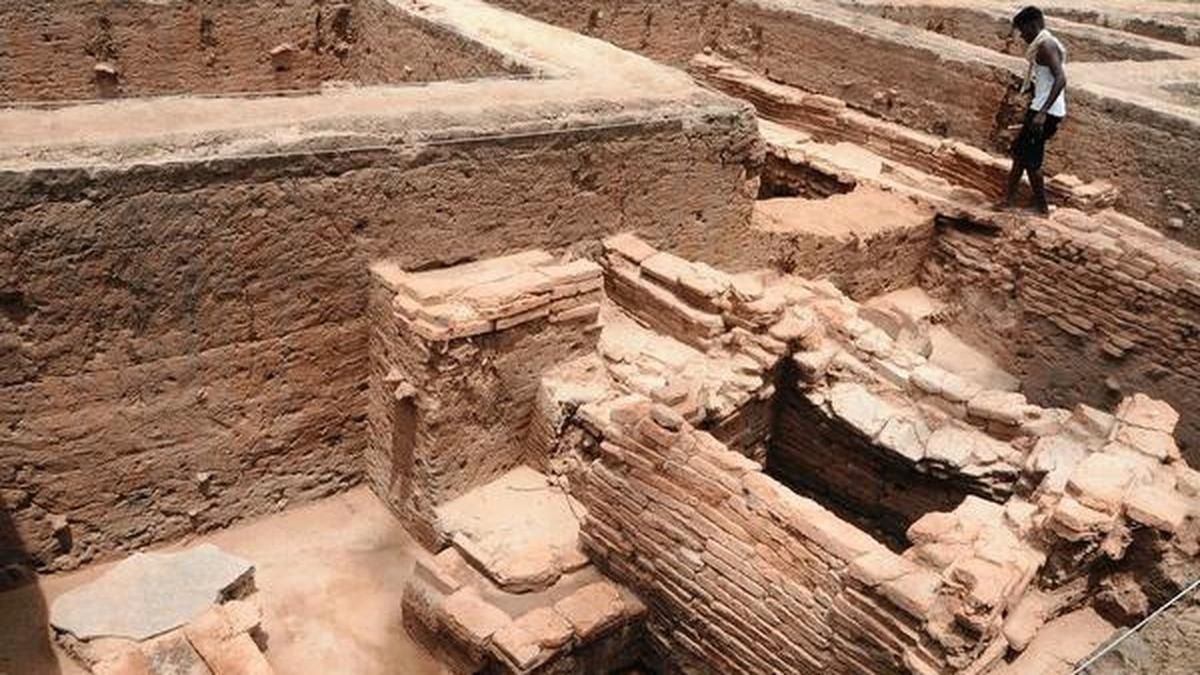
The Keeladi excavations have revealed over 18,000 antiquities, showcasing an early and highly organized urban settlement. Archaeologists uncovered pottery, beads, ornaments, spindle whorls, brick structures, ring-wells, and evidence of industrial zones for weaving, pottery, and metallurgy. These findings point to a society with a sophisticated understanding of craft, architecture, and technology.
Radiocarbon dating places human activity in Keeladi as early as the 6th century BCE, placing it on par with the earliest urban developments in northern India. The presence of Tamil-Brahmi inscriptions on potsherds demonstrates not only literacy but an established culture of documentation, learning, and communication much earlier than previously believed.
Beyond Bricks: Real Lives, Real People
Keeladi does not merely present archaeological objects; it reveals glimpses of human life.
• Weaving tools, dyeing materials, glass beads, and semi-precious stones reflect a thriving craft economy.
• Game pieces indicate that leisure, play, and community connection were integral parts of everyday life.
• Industrial remnants portray a society that was both skilled and collaborative.
These pieces together tell a story of a vibrant, thoughtful, and creative population.
Evidence of Literacy
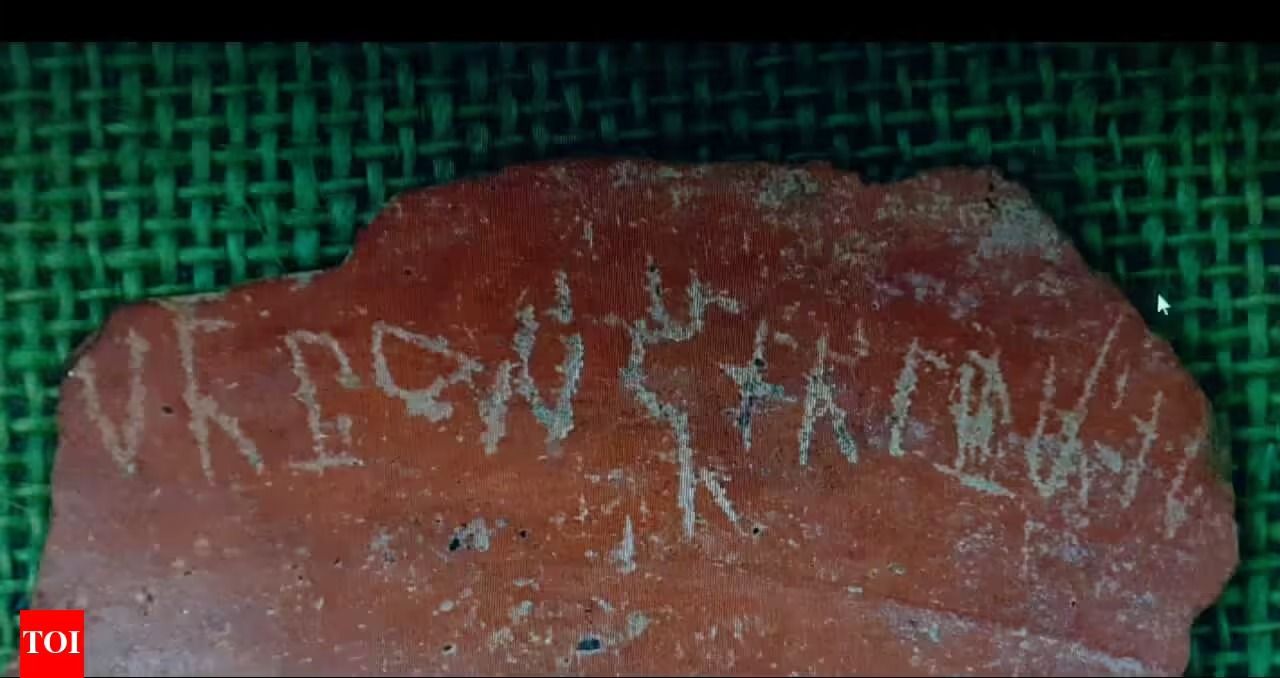
Among the most powerful artifacts are inscribed potsherds bearing personal names, such as one reading “Sathan Esiri Kathiran Ilabu”confirming that people in Keeladi were literate and used written language in their daily lives.
Evidence that people who lived in Keeladi were literate, a potsherd with the name of a person inscribed on it reading ‘Sathan Esiri Kathiran Ilabu.’
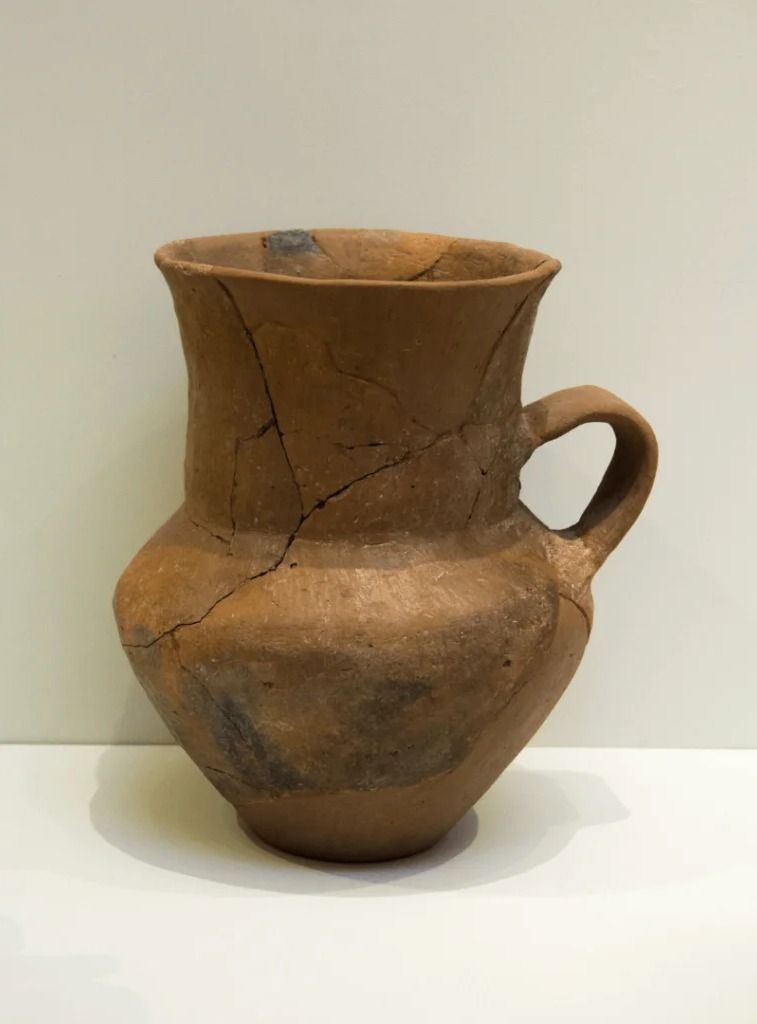
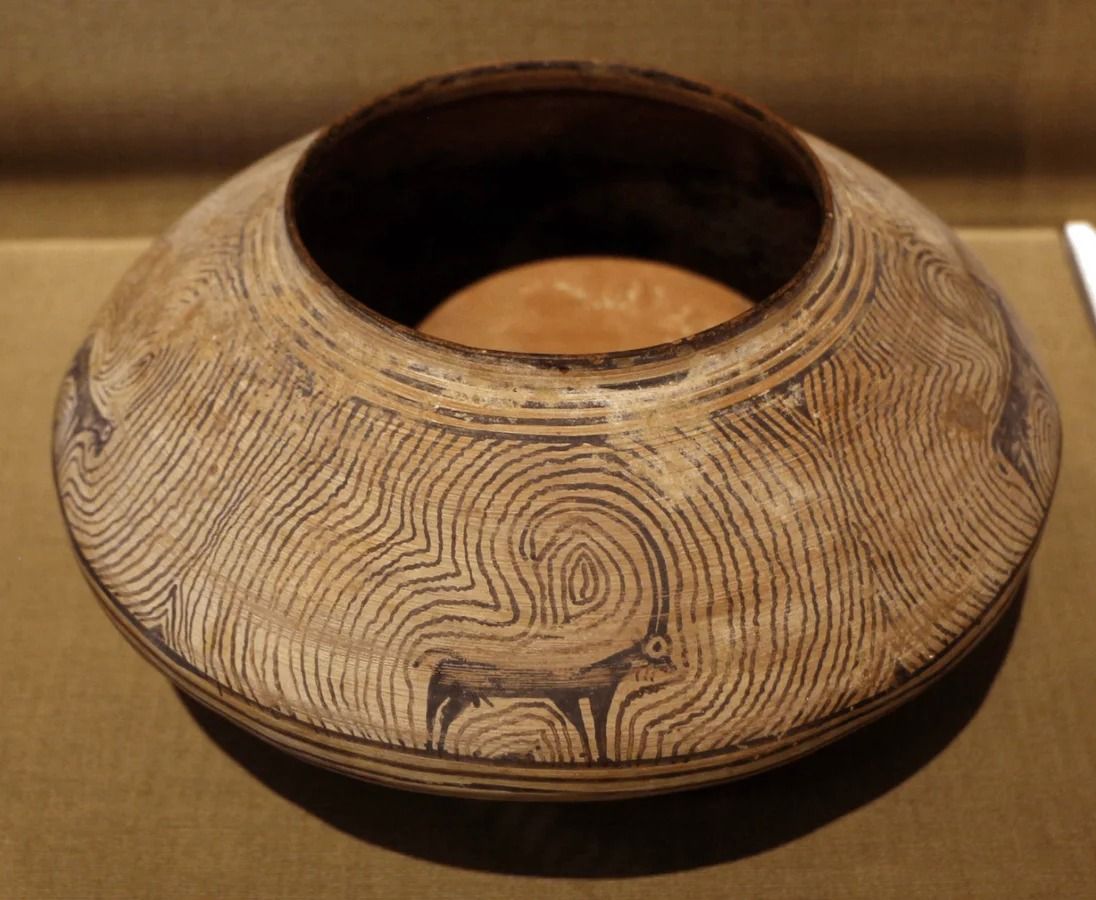
Comparative pottery from Crete (3600-3000 BCE) and Quetta Valley (2800-2500 BCE) highlights the long global history of ceramic traditions and supports the understanding that Keeladi was part of a broader pattern of ancient craft excellence.
Source: https://storytrails.in/history/tales-that-pots-tell-keeladi-excavations/
Lessons for Today
Keeladi challenges long-held historical assumptions by placing urbanization, literacy, and craft sophistication in Tamil Nadu far earlier than once believed. It strengthens cultural identity by grounding Tamil heritage in undeniable archaeological evidence. It also highlights continuity, the threads of art, trade, writing, and community that connect ancient lives to our present reality.
Preserving Our Memory
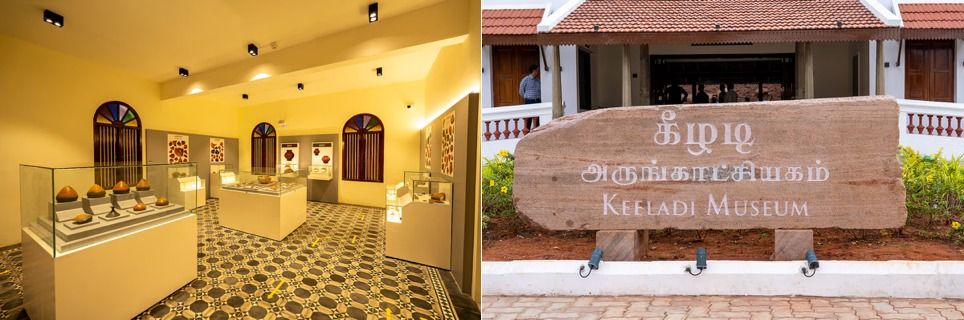
• Visiting museums and heritage sites is not merely an activity; it is an act of honoring human stories.
• Supporting archaeology and conservation ensures that discoveries like Keeladi are protected for future generations.
• Young people, especially, are called to learn from this legacy, respect it, and carry its values forward.
Source: https://www.outlooktraveller.com/experiences/heritage/keeladi-etched-in-time
Keeladi teaches us that our roots are deeper and richer than we often imagine. The soil we walk upon, the languages we speak, and the arts we practice flow from an ancient stream of creativity, resilience, and intelligence. Remembering this is not an act of nostalgia, it is a celebration of identity, pride, and responsibility.
References
1. Tamil Nadu Archaeology Department – Keeladi Excavation Report.
2. Economic Times – “Keeladi Finds Backed by Radiocarbon Dating Reveal 6th Century BCE Settlement.”
3. Chinmaya IAS – The Significance of the Findings in Keeladi.
4. Storytrails – “Tales That Pots Tell: Keeladi Excavations.”
5. BBC News – Coverage on Keeladi site excavations.
6. The Hindu – Reports on Keeladi archaeological discoveries.