Is Your Life a Parasite's Feast?
Take a moment and ask yourself these questions: When was the last time you did something simply because you wanted to? The last time you acted purely for your own satisfaction? When was the last time you bought something because you genuinely couldn’t function without it? Why do you do what you do?
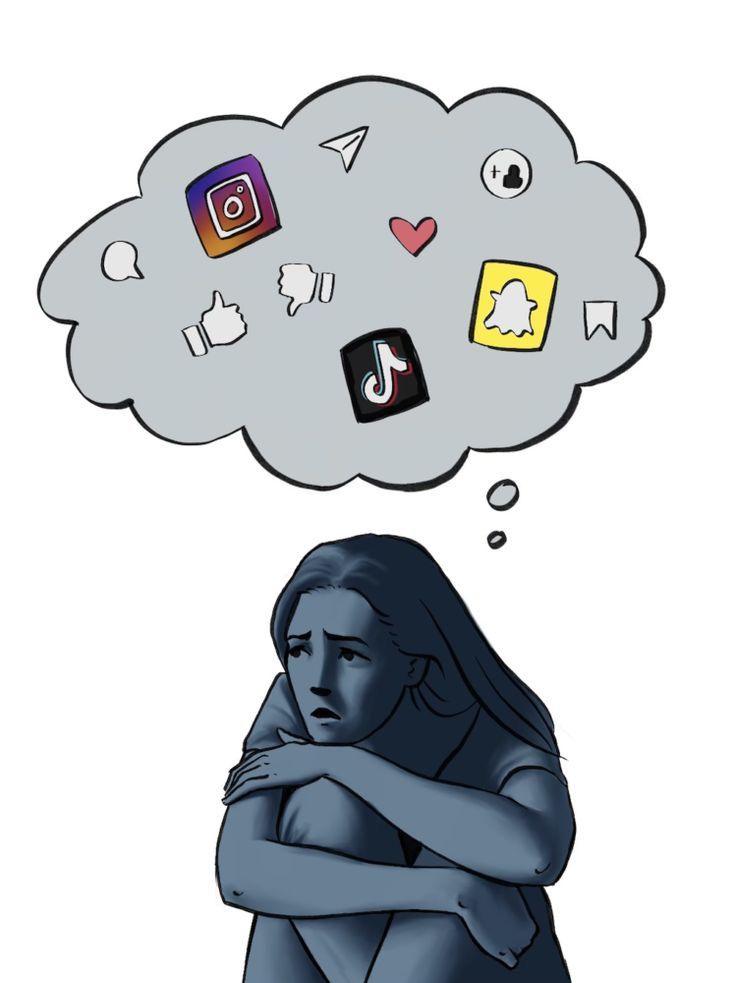
You might be tempted to answer, "Everything I do is for my personal satisfaction." That seems like a reasonable, even obvious, response. But what if I told you that hidden beneath this facade of "personal satisfaction" lies something much worse? A parasite living within us all.
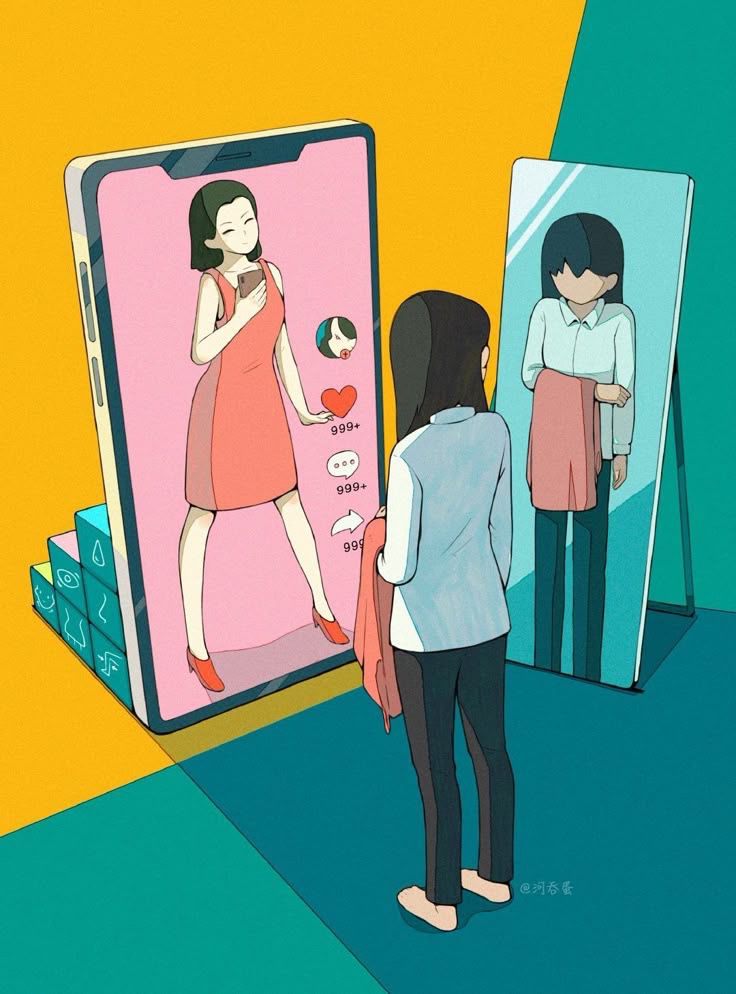
I'm talking about self-comparison.
Consider the smartphone in your pocket. Most of us use it for the basics: text messaging, social media, and photos. Only a small percentage of users truly utilize its full capabilities. So why do we, the majority, insist on owning the latest and most expensive models?
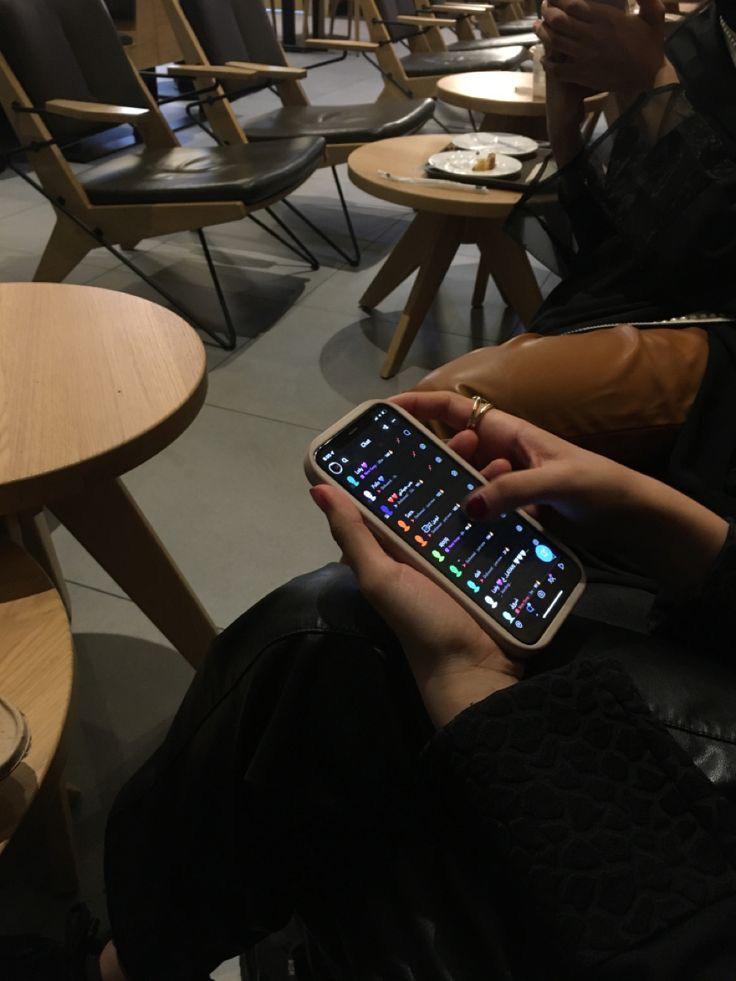
This is precisely why consumer electronics are no longer just technological devices; they have become luxury goods. Modern society is no longer driven by necessity or genuine need, but by a relentless cycle of comparison. The reasoning has shifted from "Do I need this?" to "How can I stand above others?" It’s a never-ending chase, and we are all caught in it.
This mindset is what companies in the modern world thrive on. Think back to the early 2000s and 2010s. How often do people replace their phones or computers? Companies released newer models every two to three years. Today, corporations flood the market with new variants of their products annually—or even multiple times within the same year.
This phenomenon isn't limited to technology. It permeates transportation, housing, food, and countless other industries. Just think about the effort that people put into taking a picture of what they ate at the restaurant.
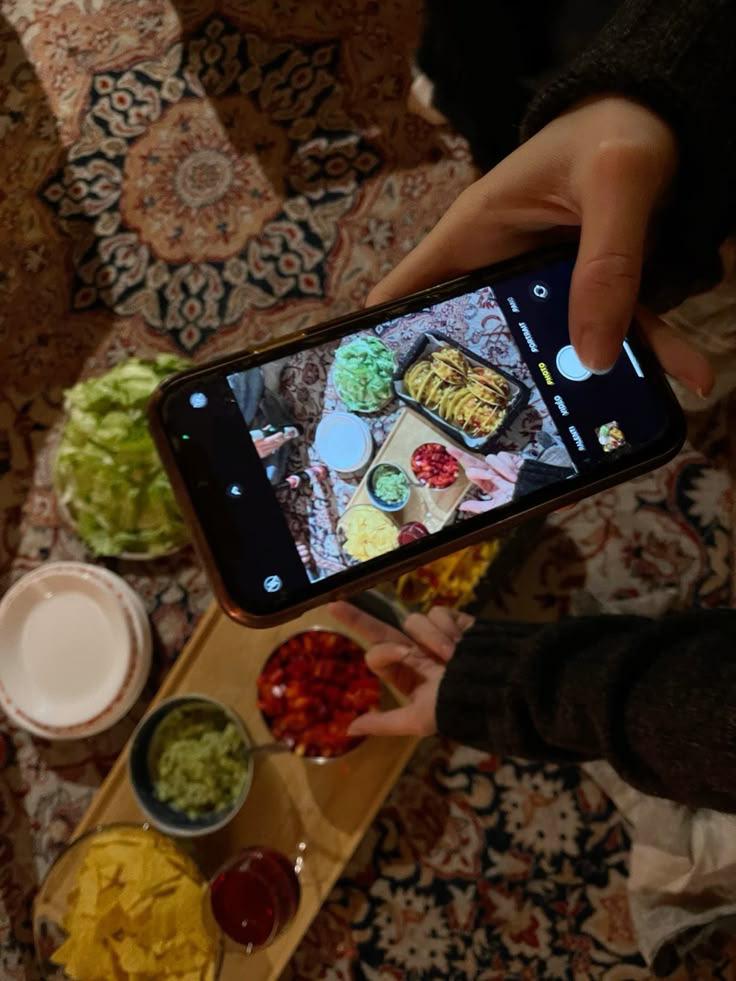
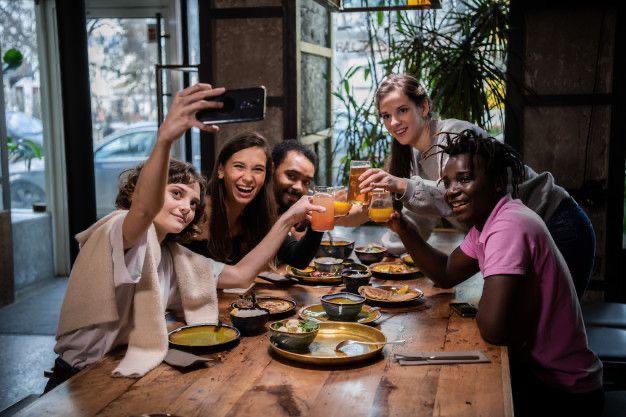
One of the greatest ironies of the modern era is the live concert experience itself. Half the audience isn't watching the performance with their own eyes, but through the screen of their smartphone. You might as well just watch it from home. So why endure the struggle of crowds and ticket costs? All for the sake of posting on social media and getting a fleeting moment of recognition from others.
Modern marketing strategies are built on this unique human characteristic. Companies understand that people are not just driven by necessity, but by the temptation to always possess the newest thing and appear superior to their peers.
This isn't a new scenario that has just recently bloomed. Even in the past, people wrestled with self-comparison, though it wasn’t as widespread or intense. Before the rise of social media, our social spheres were limited to a small group of people—our neighbors, colleagues, or people in our town. Comparison was confined to these groups.
But with social media, our scope has expanded exponentially. People who once compared themselves to their neighbors now compare their lifestyles to people on the other side of the world. This has given rise to a new problem: people are living lives far beyond their means simply for social status and recognition.
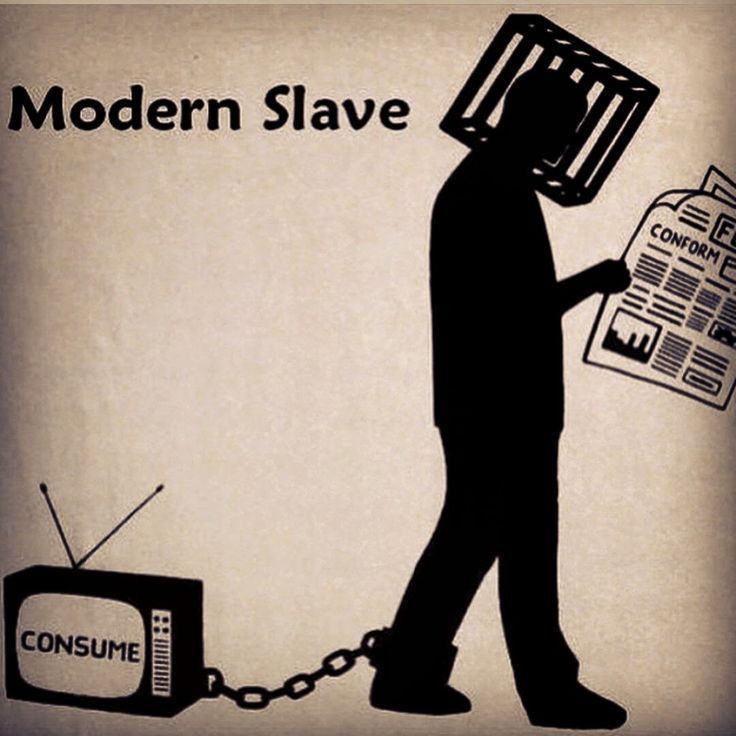


While this desire to "level up" could be a powerful motivator, many of us fall into a trap. Instead of figuring out what it takes to achieve that lifestyle, we passively watch others live it and fantasize about it ourselves. This is why "influencers" are so prominent in today's society. They offer the illusion of that experience without the hard work. Why hustle and grind when you can get the fake feeling of having it all from the comfort of your bed? At least people in the past worked for their aspirations rather than just daydreaming about them.
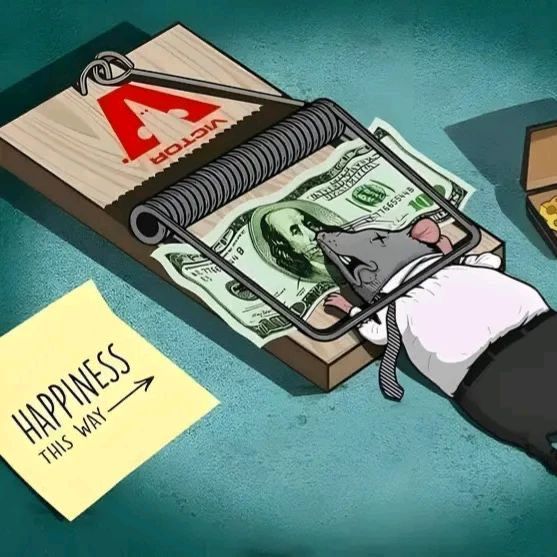
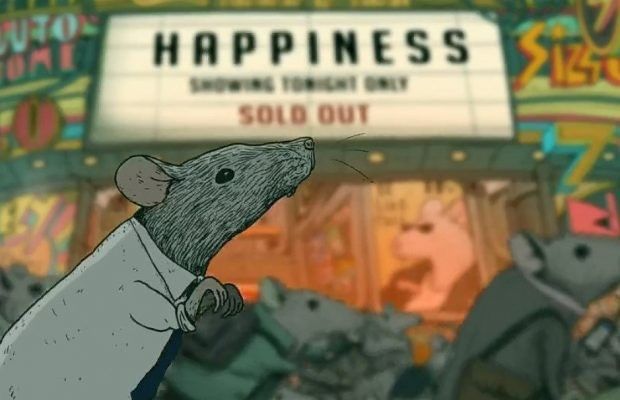
Getting out of this abyss of self-doubt and comparison can feel difficult, but it starts with a simple question. The next time you feel that itch to buy, to upgrade, or to change your life for the sake of social status, stop and ask yourself.
"Do I really need this, or am I just trying to win a race I didn't even know I was running?"
Because at the end of the day, what matters is whether or not you are happy.