DON’T HOLD IT, JUST CRY

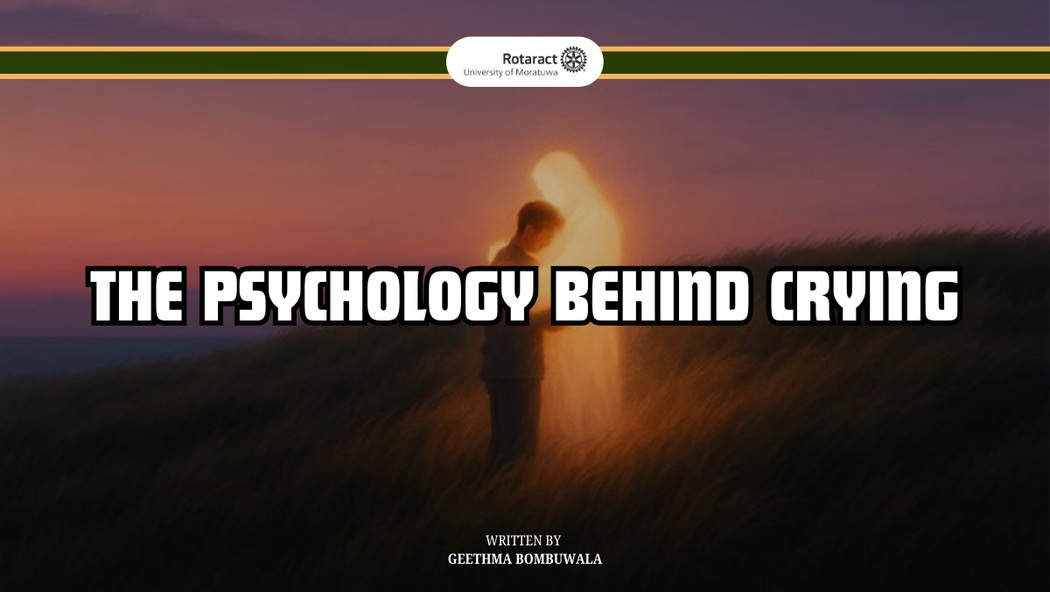
Sometimes you may feel fragile and look pathetic because of your tears. But that’s not true.


Somewhere along the way, we were taught that crying is a weakness.
That strength means silence. That holding it together is something to be proud of.
So we swallow our tears.
We smile when our chest feels heavy.
We tell ourselves, “I’m fine,” even when we’re not.
But the truth is, crying is not giving up.
It’s letting go.
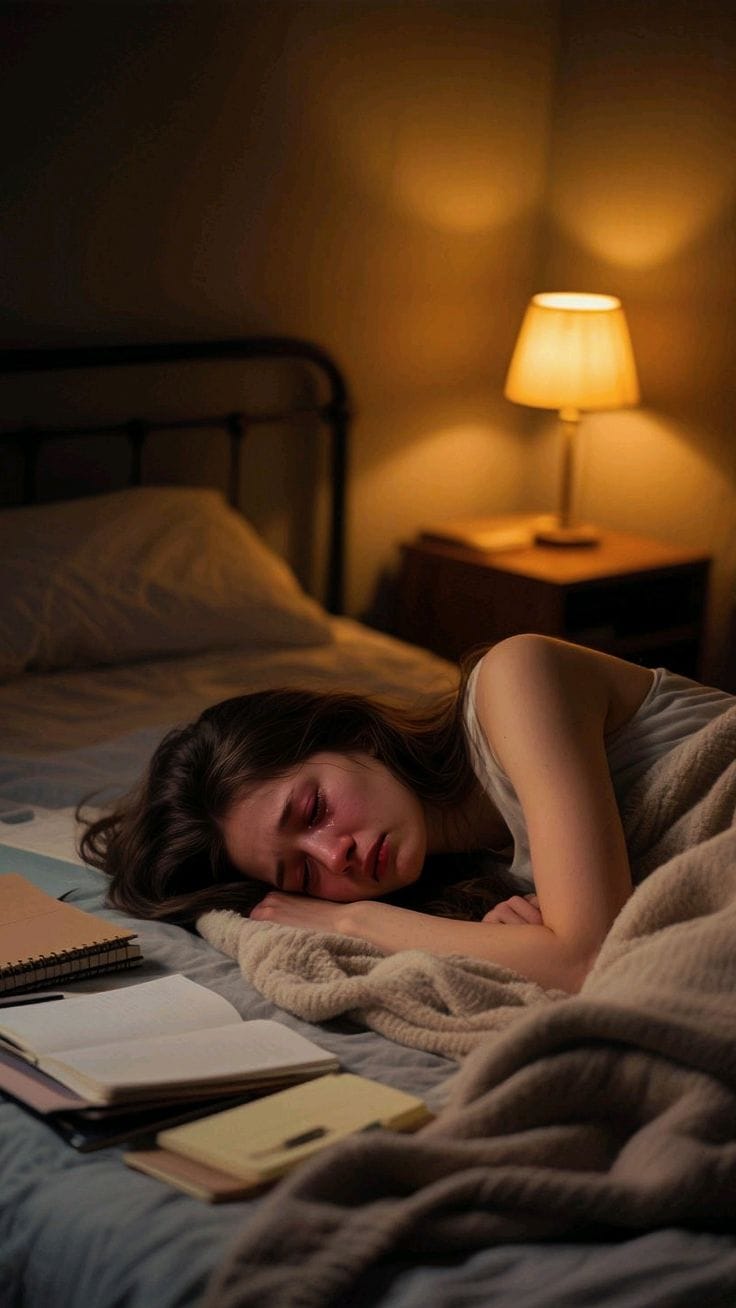
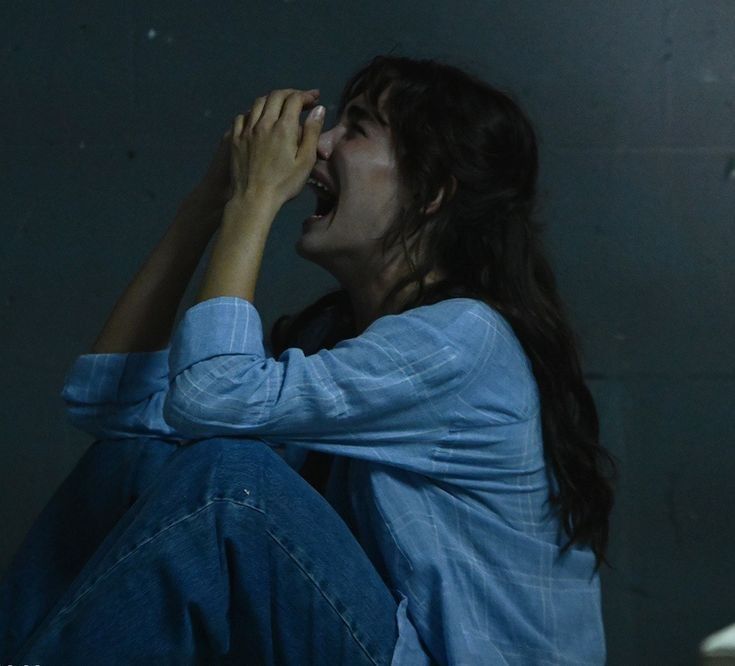
There are days when your heart carries more than your hands can hold—days when words fail, and all that’s left is a lump in your throat and tears waiting for permission. On those days, you don’t need advice. You don’t need motivation. You don’t need to be strong.


You just need to cry.
Crying doesn’t mean you’re broken.
It means you’re human.
It means you cared, you felt deeply, you tried.
Tears are not a sign of defeat, they’re a release. They wash away the weight you’ve been silently carrying. They soften the pain you didn’t know how to name. Sometimes, they’re the only way your soul knows how to breathe.

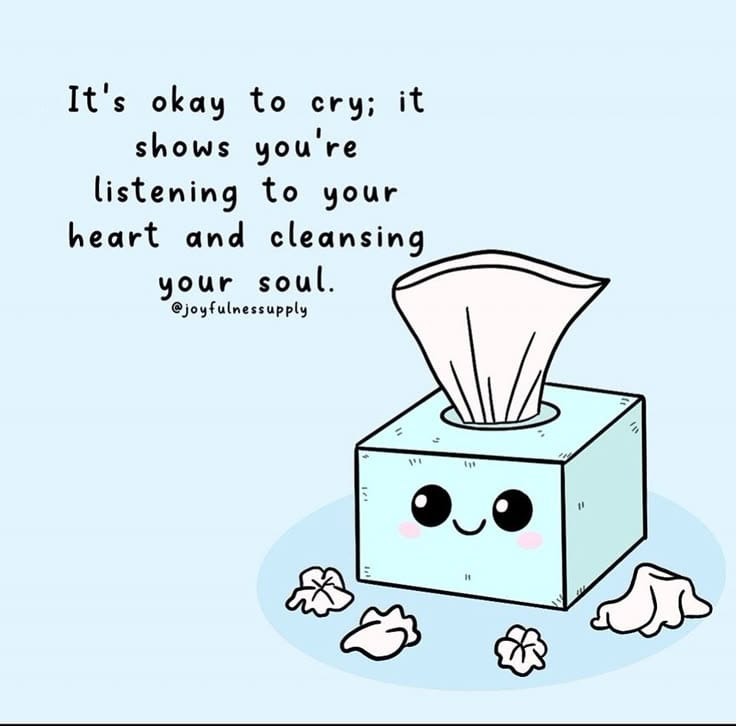
So don’t hold it in because you’re afraid of being judged.
Don’t force a smile just to make others comfortable.
Don’t punish yourself for feeling too much.
Sit with your emotions. Let them come. Let them flow.
Cry in the quiet of your room. Cry into a pillow. Cry in the shower where no one hears,but cry.
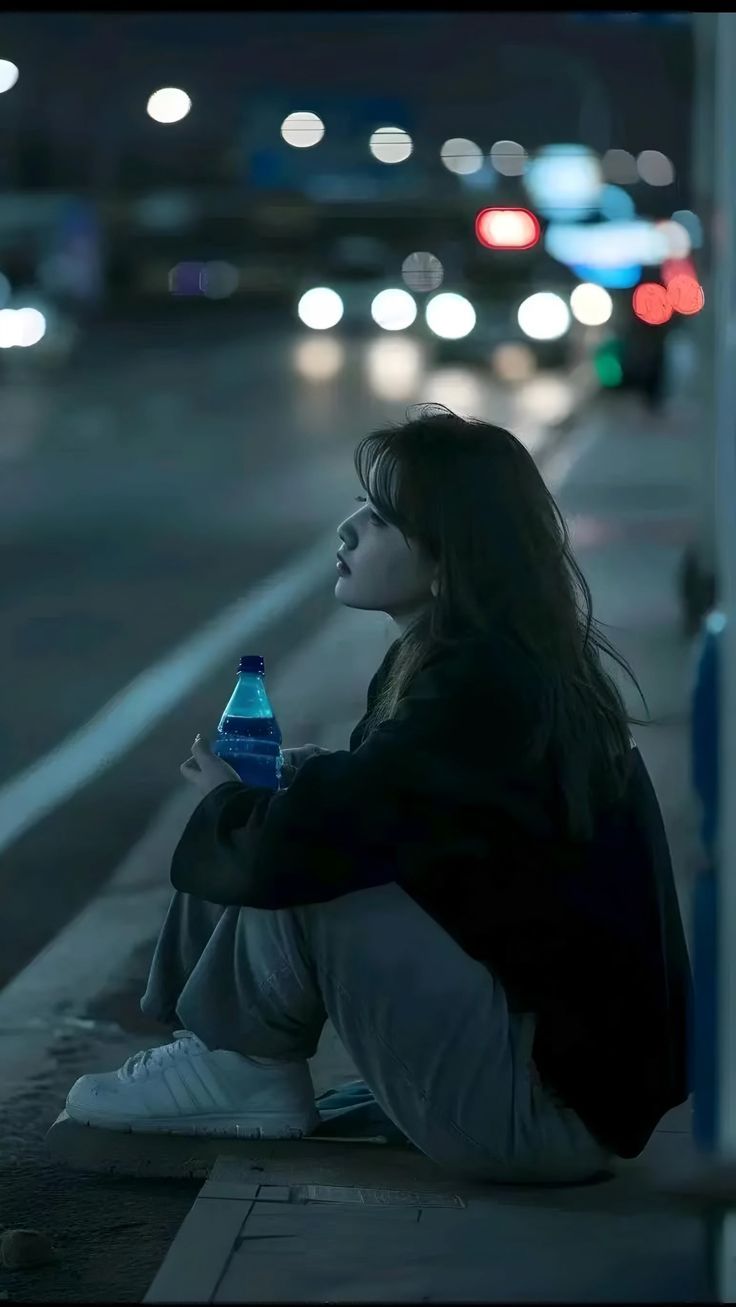
And when the tears slow down, you’ll notice something gentle happening inside you: a little lightness, a little calm. Not because everything is suddenly okay—but because you finally allowed yourself to feel.
You don’t have to be strong all the time.
You don’t have to carry everything alone.
Sometimes, the bravest thing you can do is stop holding it in…and just cry.
Science also provides evidence that crying is not a crime.
From a biological perspective, emotional tears play an important role in maintaining both mental and physical health.
When we cry due to strong emotions, the body releases stress hormones such as cortisol and adrenaline through tears, helping to reduce internal tension. At the same time, crying activates the parasympathetic nervous system, which slows the heart rate and promotes a calming effect after emotional distress.
Research has also shown that emotional tears contain endorphins and oxytocin, chemicals that are associated with pain relief and feelings of comfort. This is why people often feel lighter or emotionally relieved after a good cry.
In addition, crying may support emotional regulation by allowing individuals to process difficult experiences rather than suppress them. Chronic suppression of emotions has been linked to increased stress, headaches, and even cardiovascular problems.
By contrast, healthy emotional expression, including crying, can improve mood and strengthen psychological resilience. Crying also has social benefits, as it signals vulnerability and can encourage empathy and social support from others. Far from being harmful, crying is a natural, scientifically supported response that helps the body recover from emotional overload and maintain overall well-being
Therefore,
Cry if you want.
Let your sadness go with your tears and start over with your beautiful smile.