
Comfort Zone vs. Marginalization

Through my design projects, I often found myself exploring the psychological side of society. One project focused on the Sinhala–Tamil conflict, and another on designing for an Islamic village. Both opened my eyes to a common and powerful question.
“Why do some people find it difficult to connect and mix with others, even when they live, work, or study in the same spaces?...”
This question is not just about culture, religion, or language. It’s about human behavior, how we choose to interact, when we decide to step forward, and when we quietly step back. Two words kept coming up in my reflections- comfort zone and marginalization.



What does it mean to stay in a comfort zone?
The comfort zone is a psychological state where a person feels safe, at ease, and in control. It’s where routines, habits, and surroundings feel familiar, without risk, stress, or uncertainty. For many of us, comfort zones are natural and even healthy. They help us recharge, build stability, and stay grounded.
But there is another side to this story. Sometimes, the phrase “comfort zone” becomes an excuse. People may avoid new challenges, responsibilities, or even relationships by saying, “That’s just not my comfort zone. ”
For example, someone might avoid working with people from a different background, not because of dislike, but because it feels unfamiliar. While this choice may protect the individual from discomfort, it can quietly create invisible barriers. It can signal to others: “You’re not part of my circle. ”
In the short term, staying in comfort feels safe. But in the long run, it limits growth for both the individual and the community.


What does it mean to be marginalized?
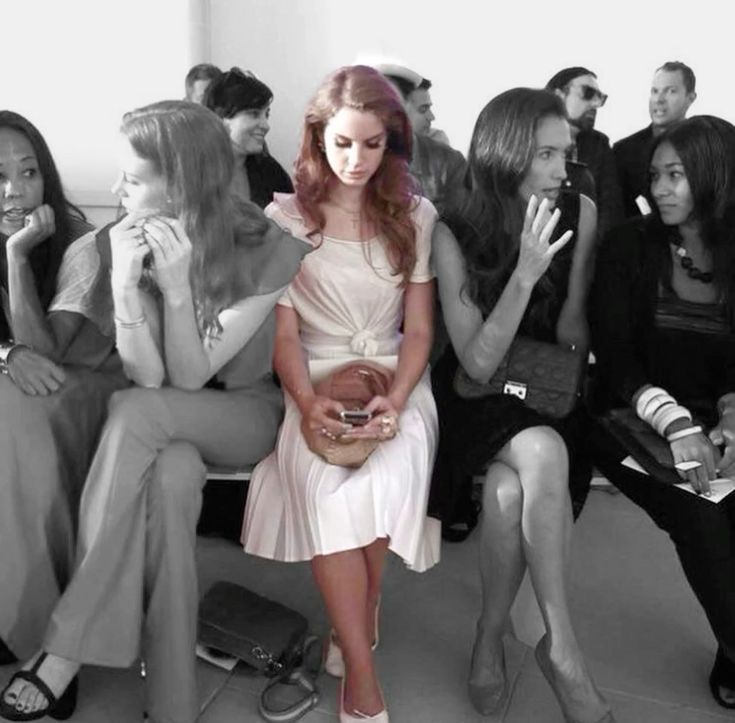
To be marginalized means to be pushed aside, excluded, or denied the chance to participate fully. It’s the feeling of being on the edge of society, culture, or community life. Marginalization can happen because of language, religion, race, gender, or simply because someone is “different” from the majority.
And here’s the link: when some people choose to remain in their comfort zones, others often end up feeling marginalized. One person’s decision to step back can unintentionally create another person’s exclusion.
Think about a team project, a workplace, or even a friend circle. If a group chooses to stay only within familiar lines, anyone outside those lines begins to feel invisible. Comfort, then, isn’t neutral, it shapes who feels included and who feels excluded.



The shared responsibility
Not everyone has the same energy, skills, or way of working and that’s perfectly normal. What really matters is the willingness to try: to put in effort, show up, and take part. Some things in life can be done alone, but many require collaboration and shared responsibility.
When people use “comfort” as a reason to avoid responsibility, the whole group suffers. Work slows down, trust breaks, and opportunities for learning disappear. A strong community, whether in school, workplace, or society depends on people stepping out of themselves to support one another.
Just like in a family, strength comes when everyone contributes, even in small ways. Imagine a household where only one or two members cook, clean, or care, while others watch from the sidelines. Resentment grows, and unity weakens. The same principle applies to communities: collective effort builds collective strength. Moving beyond excuses.
This brings us to a deeper question: Are comfort zones and marginalization opposites? Not exactly. They are not enemies, but they are often two sides of the same coin. When one stays too long in comfort, another may be pushed to the margins. When one refuses to take responsibility, someone else is left carrying the weight.
The solution is not to completely abandon comfort—because comfort is sometimes necessary. Instead, the challenge is to recognize when comfort turns into an excuse. Breaking this cycle takes awareness, responsibility, and the courage to step beyond what feels safe.



Final thought
At the heart of it, both comfort zones and marginalization are about choices. Do we choose to stay where we feel safe, or do we stretch ourselves to include others? Do we choose to step back, or do we step forward for the sake of unity? True growth, whether personal or social happens when people move beyond their comfort to make space for others. When that happens, no one is left behind, and the community becomes stronger, kinder, and more whole.
So perhaps the real question is not “What is my comfort zone?” but rather: “Who might be marginalized if I stay in it?”