Beyond Forgetting: Raising Awareness About Dementia
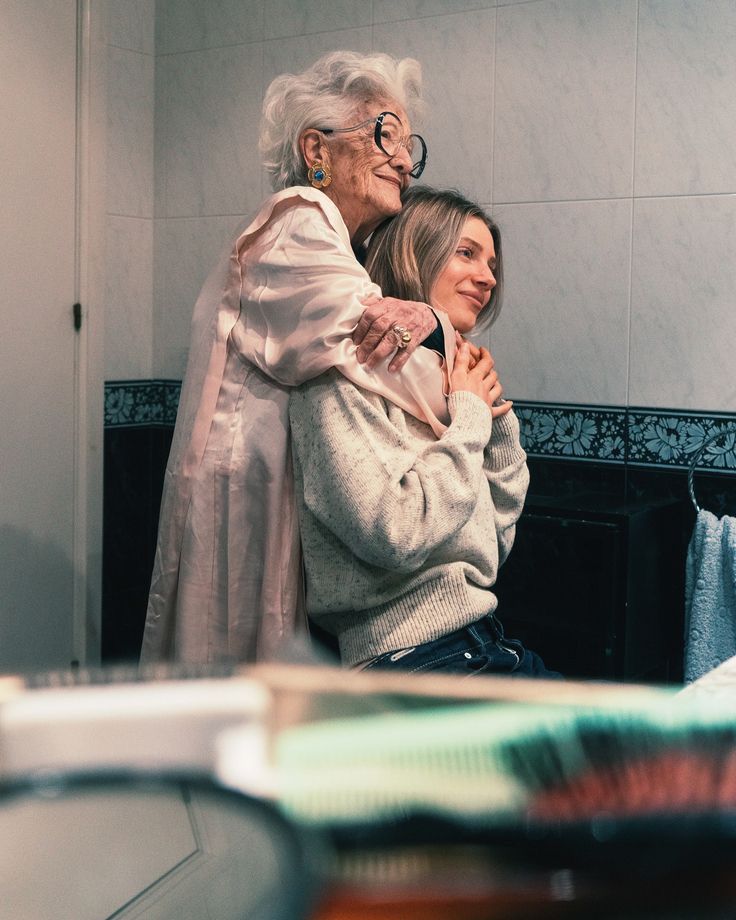
To my grandma, I was many people. Some days I was her daughter, other days her sister, and on the rare good days, I was her granddaughter. Dementia quietly reshaped her reality, memories slipped away, familiar faces lost their meaning, and everyday life became uncertain. Witnessing her journey up close taught me that conditions affecting memory are not just about forgetting; they are about living in a world that constantly changes without warning. Through sharing my experience, I hope to raise awareness, foster empathy, and encourage a deeper understanding of what it truly means to live with dementia.


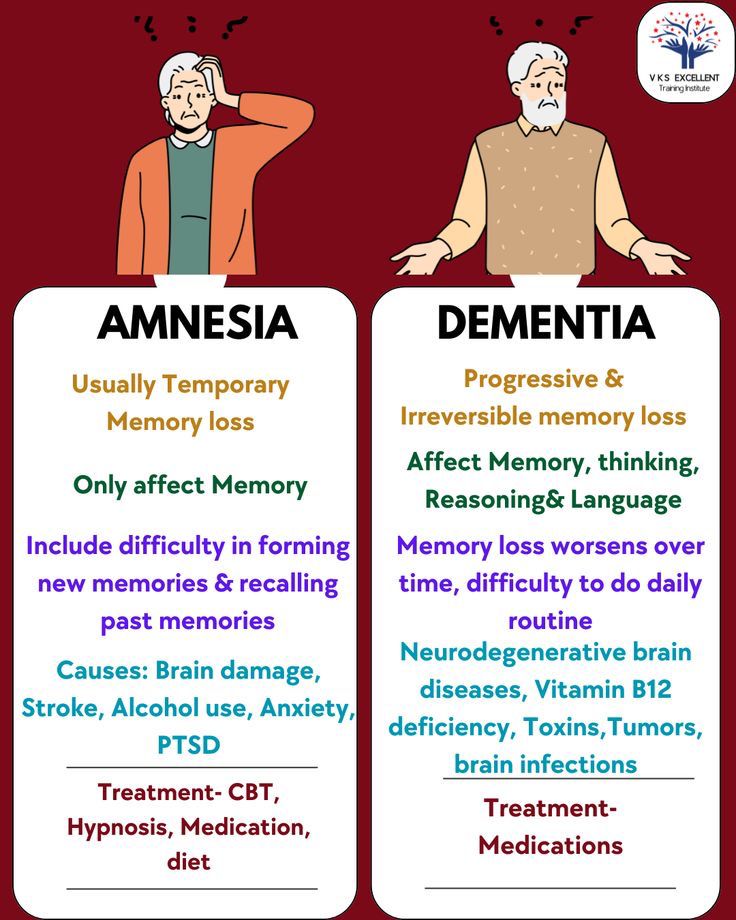
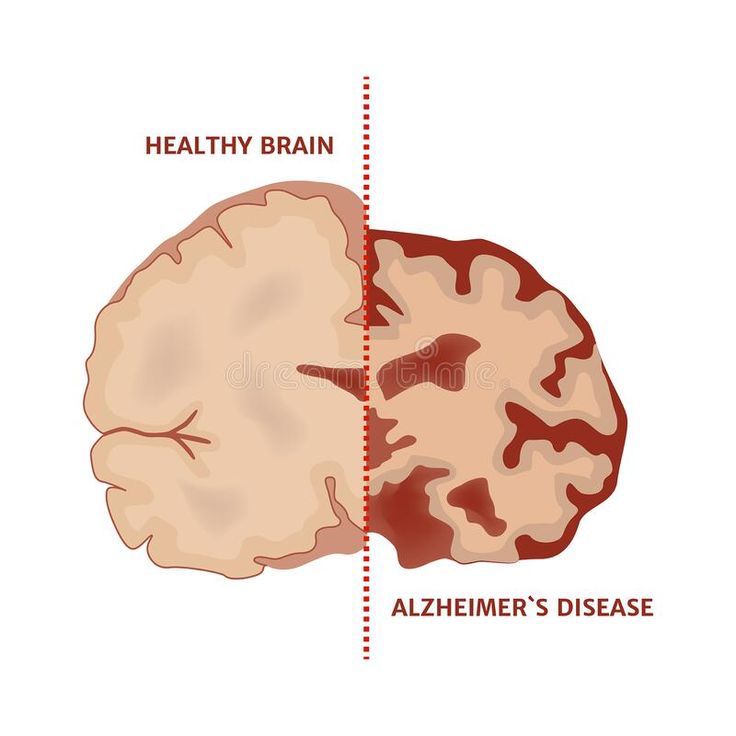
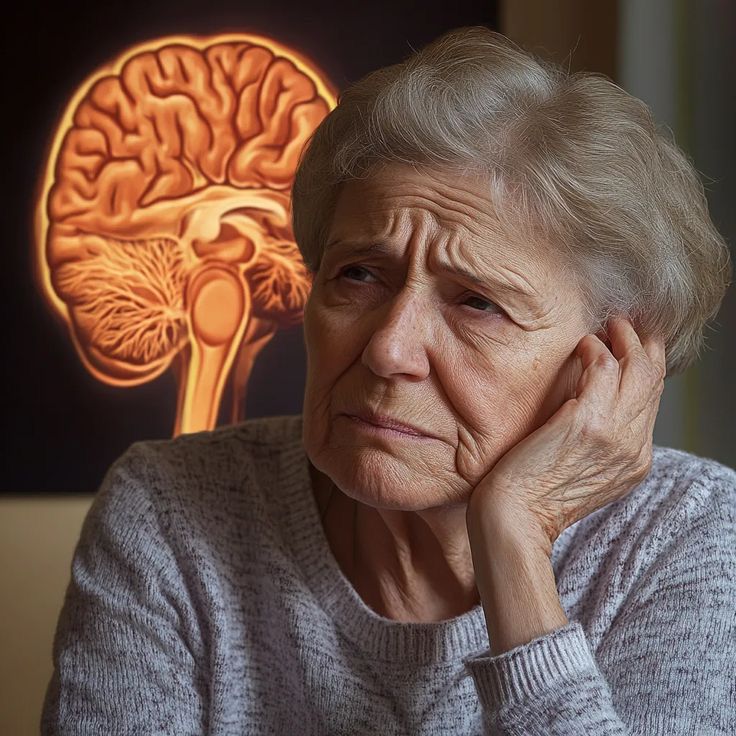
Dementia is a broad term used to describe a decline in memory, thinking, and reasoning that interferes with daily life. Alzheimer’s disease is the most common form of dementia, but dementia can take many forms. It gradually alters a person’s ability to recognize faces, recall events, and perform everyday tasks. Understanding this distinction helps us approach those affected with patience and empathy, focusing on their needs rather than the diagnosis.

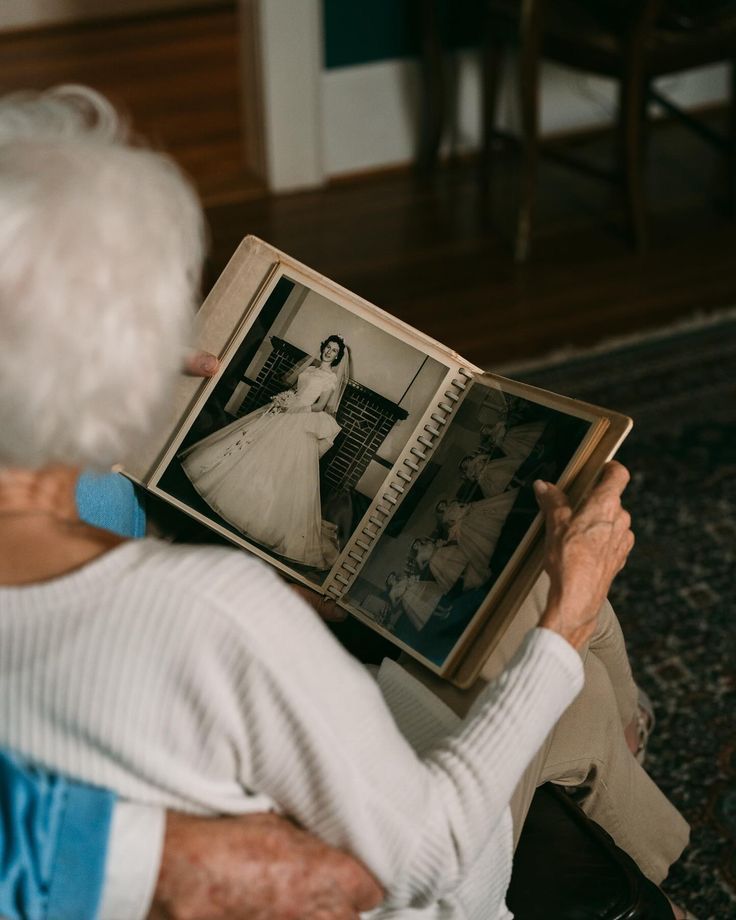
Living with my grandma’s dementia was a lesson in patience, love, and quiet heartbreak. There were moments of clarity, where she laughed and spoke with warmth, and moments where recognition disappeared completely. Being seen as her sister one day and her daughter the next was confusing at first, but over time I realized that this was her reality, not a choice, not neglect, but the illness shaping her perception of life.
Even as memories faded, emotions remained. She could sense kindness, tone, and presence. A gentle voice, a smile, or simply sitting beside her often mattered more than words. This experience showed me that dementia does not erase a person; it changes the way they connect. Understanding this shifted my perspective from frustration to compassion.

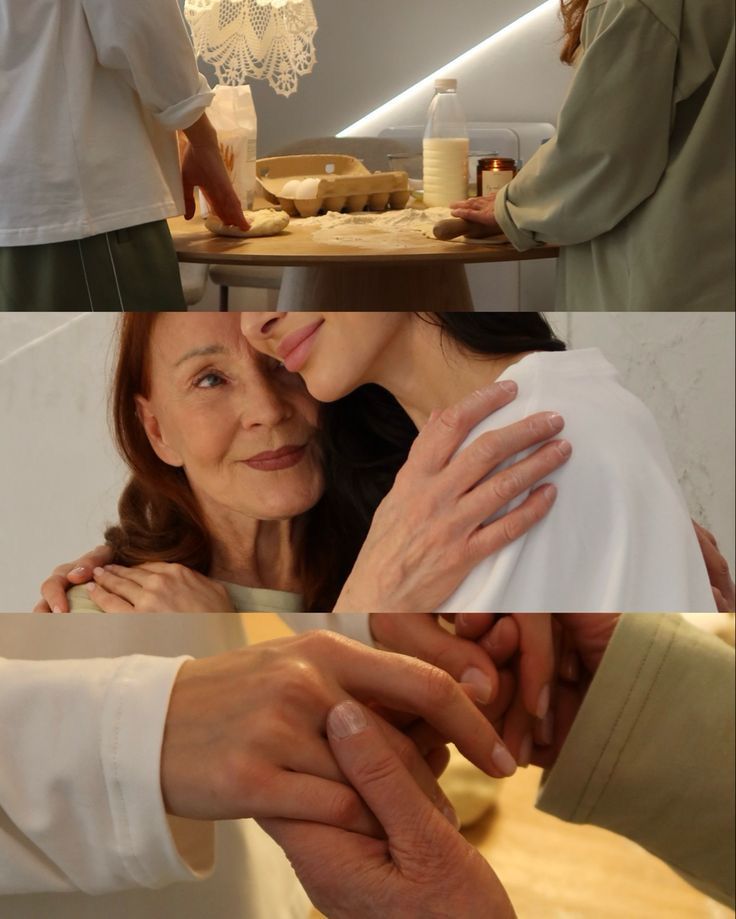
Dementia affects not only the individual but also families, relationships, and communities. Misunderstandings often lead to impatience or stigma. Repeated questions, confusion, or changes in behaviour are not intentional, they are expressions of a mind struggling to make sense of the world. Awareness encourages empathy, patience, and respect, reminding us that those living with dementia deserve dignity and understanding.
Caring for someone with dementia involves creating an environment that is safe, structured, and comforting. Consistent daily routines help reduce anxiety and confusion, providing stability through familiar activities and predictable schedules.
Clear and gentle communication is essential. Speak slowly, use simple sentences, and listen attentively. Avoid correcting or arguing over forgotten details, focusing instead on reassurance and emotional connection.
Maintaining engagement through meaningful activities can improve quality of life. Encourage participation in hobbies or tasks the person can still enjoy, and use reminders, labels, or visual cues to help them navigate their surroundings.
Safety should always be a priority. Minimizing hazards, ensuring good lighting, and creating clear pathways can reduce the risk of accidents and help maintain independence.
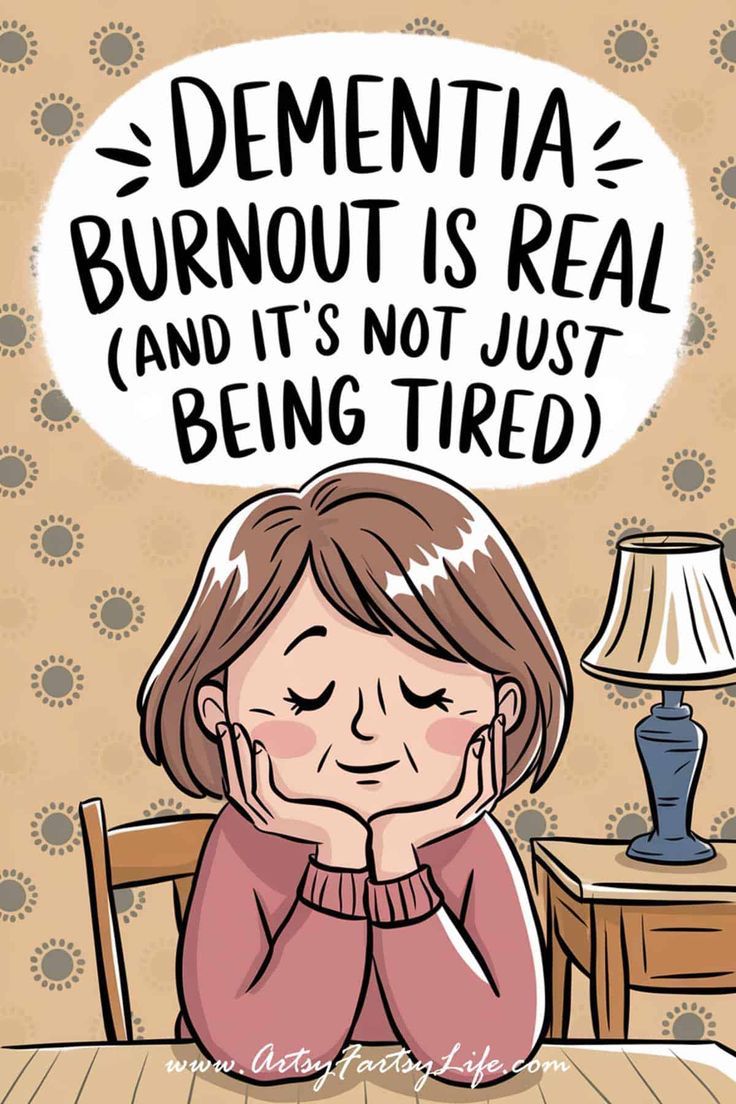
Finally, supporting yourself as a caregiver is just as important. Seek help from family, friends, or professional resources when needed. Taking breaks, joining support groups, and caring for your own wellbeing ensures that you can provide sustained, compassionate care.


Living alongside my grandma’s dementia taught me that memory is not the only measure of identity. Even as names and faces faded, her need for love, patience, and dignity never changed. Dementia reminds us that compassion is essential. By listening without correcting, caring without frustration, and understanding without judgment, we can create a kinder world for those living with cognitive decline. Awareness begins with stories, and by sharing ours, we take a meaningful step toward empathy and humanity.
References
- Alzheimer’s Association. What is Alzheimer’s? https://www.alz.org/alzheimers-dementia/what-is-alzheimers
- U.S. Government Alzheimer’s Resources. Tips for Caregivers. https://www.alzheimers.gov/life-with-dementia/tips-caregivers
National Institute on Aging. Alzheimer’s Caregiving: Caring for Yourself. https://share.google/JXj3JaXNiYovEbsOy