Are We Really Living the Life We Once Dreamed of?
When we were 14, we held galaxies in our eyes, bursting with dreams untainted by reality. We spoke of futures with conviction. Some dreamt of donning the white coat of a doctor, healing with knowledge and compassion. Others imagined constructing worlds as engineers or shaping young minds as teachers. Each dream glowed bright, untouched by the dust of disappointment. We imagined adulthood as a sanctuary, a place where we would finally have the reins of life in our hands, free from school bells and parental rules, free from the weight of permission.
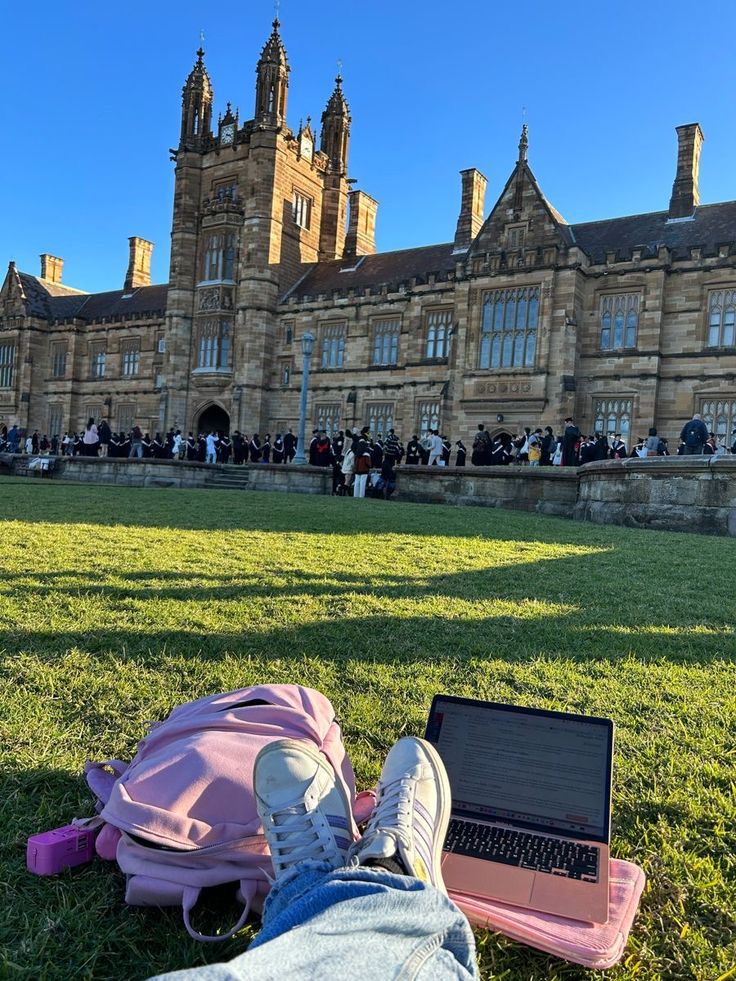
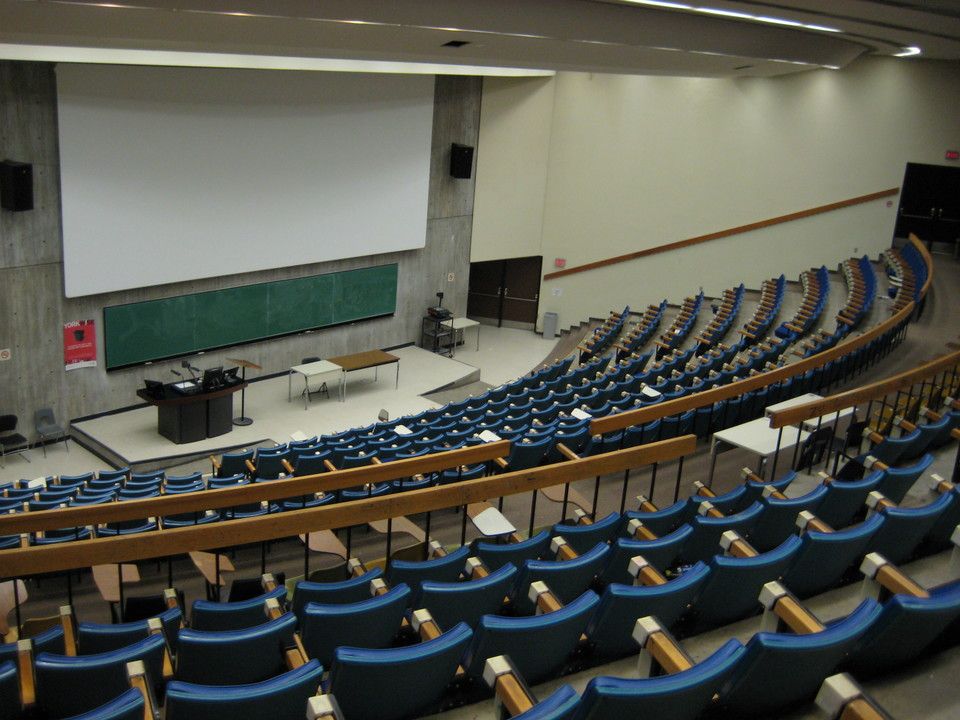
Back then, university life was the utopia we craved. We thought it would be a golden chapter: laughter echoing through lecture halls, sleepless nights filled with stories, not assignments; a life where freedom would finally find a permanent home. We imagined a life without money worries, without emotional breakdowns, without the silence that follows broken friendships. But now that we are here, standing in the very place we once dreamed of, we must ask ourselves with brave honesty: are we really living the life we once dreamed of?
Most of us would whisper, or perhaps scream, NO.
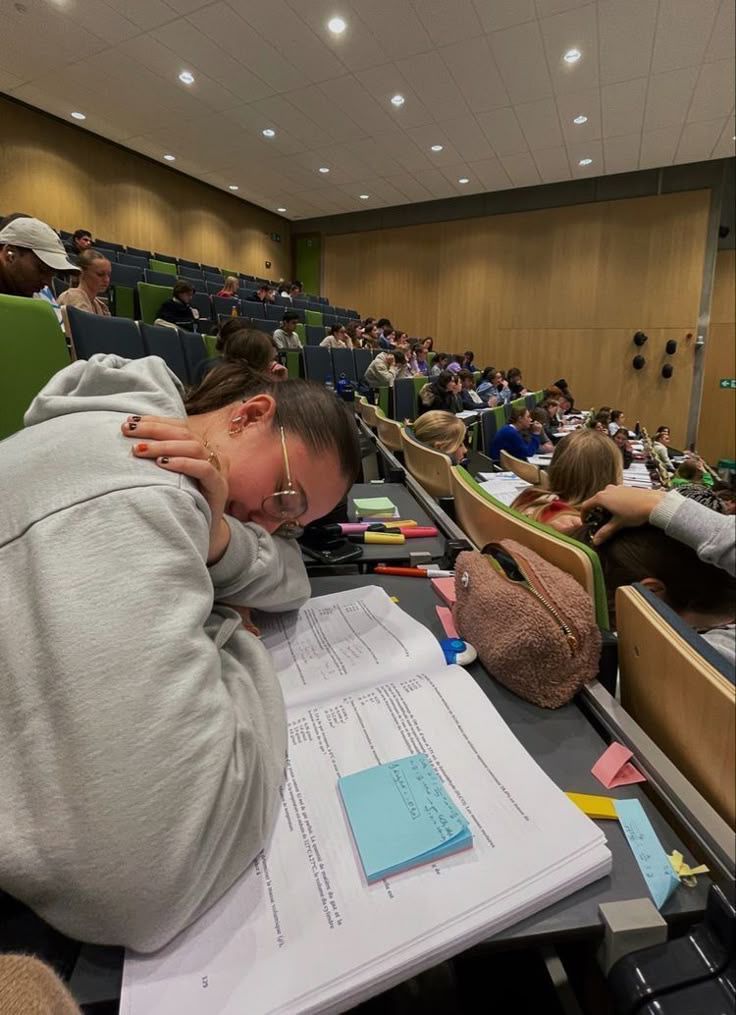

This life feels nothing like the fantasy we once painted. It is not freedom that embraces us, but stress. Academic pressure looms large, like a mountain with no summit. Days bleed into nights filled with deadlines and doubts. Friendships we thought would last forever sometimes vanish without reason. Our first taste of love often leaves behind bitterness rather than bliss. And for some of us, the start-ups we built with trembling hope collapsed before they could rise. We are discovering, sometimes painfully, that adulthood is not a destination but a battle between dreams and reality.
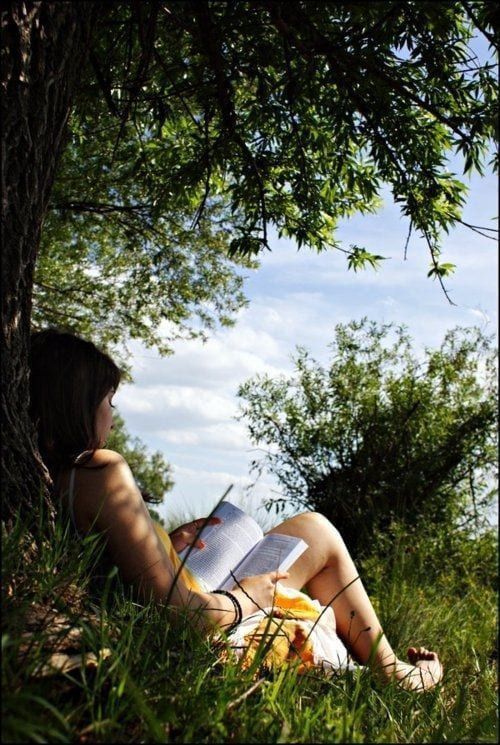
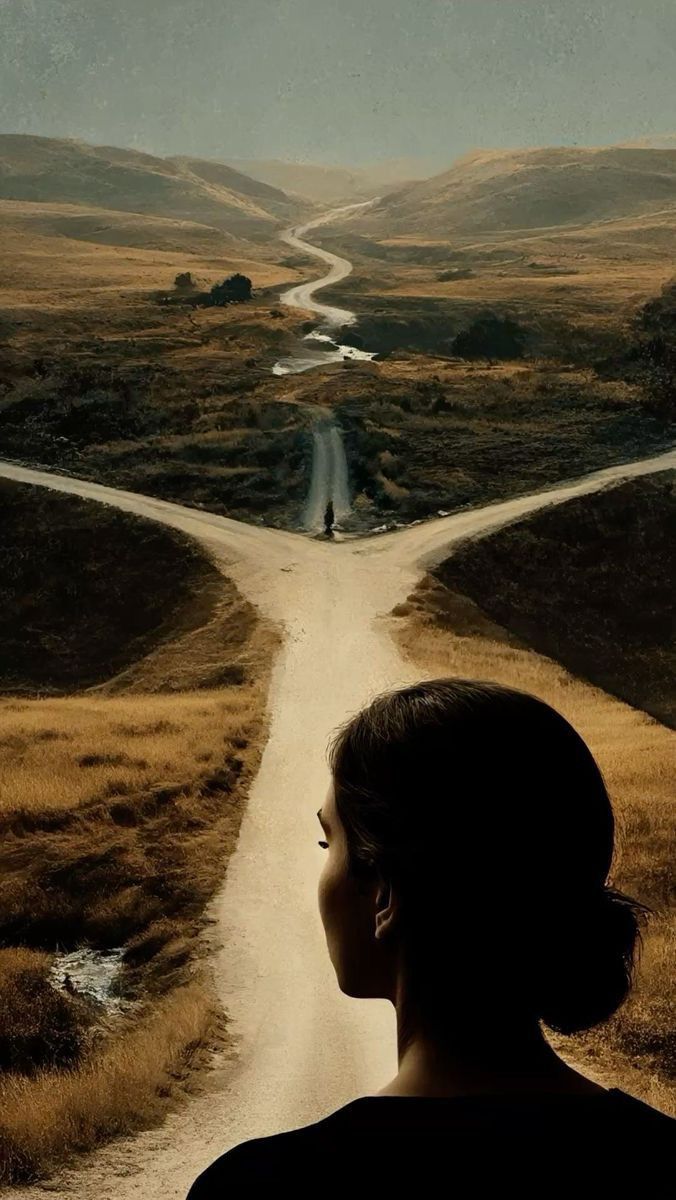
Why does it hurt so much? Why do we feel this aching void?
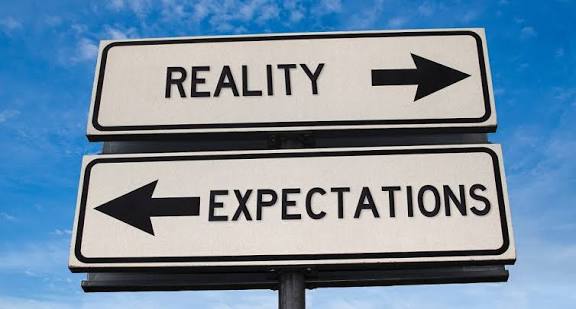
It isn’t merely the chaos around us. It is the expectation within us. What we are experiencing is not failure, it is unmet expectation. We thought life would be fairer, kinder, more forgiving. We thought freedom would be soft and warm, not lonely and cold. We thought the world would celebrate our arrival; instead, it barely noticed.
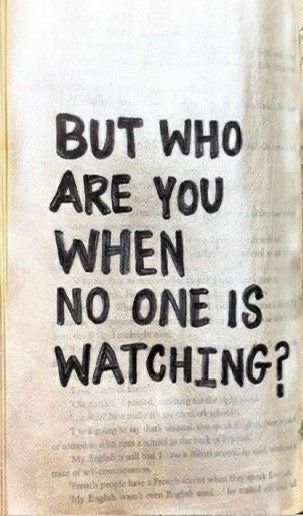
“Expectation is the root of all heartache.”
_William Shakespeare_
What makes us uncomfortable now is not just the challenges, but the shock that these challenges exist at all. We are being pulled from the comfort zone we lived in for the first quarter of our lives, that warm space of predictability and protection. But perhaps this discomfort is necessary. Perhaps it is the mirror that shows us who we really are beneath the layers of idealism. It is not the life itself that is unbearable; it is that it is not the life we were promised.
We are now waking up to the truth : the world isn’t made of gold and roses. It is a mosaic of joy and cruelty, beauty and betrayal, hope and hardship. It is not a place where everyone claps when you succeed. It is a place where some might push you down because they fear your rise. But understanding that cruelty does not make us bitter. It teaches us empathy. It teaches us not to become what hurt us.
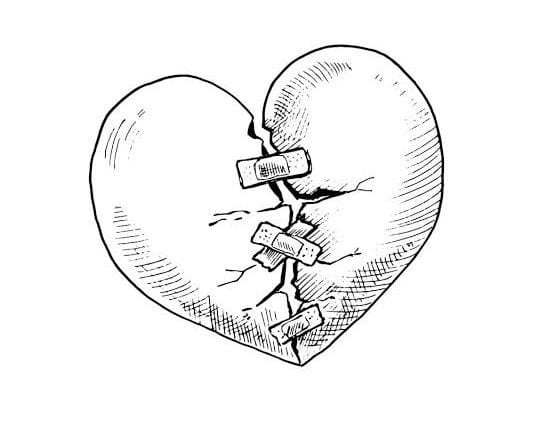

So maybe this isn’t the life we dreamed of, but maybe it is the life that will shape us into something far deeper than our dreams imagined. The discomfort, the chaos, the loneliness, maybe it is all part of the fire that forges character.
Let us mourn the innocence we lost, yes, but let us also honour the strength we have found. Because even in a life far from what we imagined, we are still here, surviving, learning, feeling, growing.
And perhaps that, in itself, is a beautiful kind of dream.
“Life isn’t about finding yourself. Life is about creating yourself.”
— George Bernard Shaw_