A Signal, Not a Failure

Deadlines are pulling, but all you can do is lie on the bed because your mind refuses to cooperate.
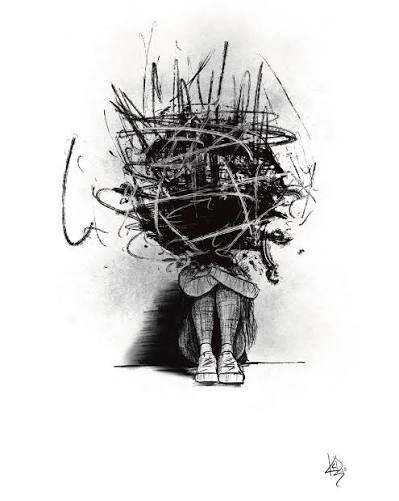

Have you ever experienced emotional numbness in your life, a mental exhaustion? Your work is loaded, and you know you must work, but you can’t get yourself to do it. You get irritated easily, you want to sleep all the time, but deep inside you know it is not right—you must do your work. You blame yourself for being lethargic. But is it sheer laziness you are feeling? Maybe it is emotional burnout.
Every human being on Earth, at some point, has to undergo burnout. So what is burnout? Is it risky? Kind of. It affects our health, and it is best to identify burnout and properly treat it. Burnout is mostly job-related, but it can occur in other aspects of life as well. The Cambridge Dictionary defines burnout as extreme tiredness or a feeling of not being able to work anymore caused by working too hard. This is occupational burnout.
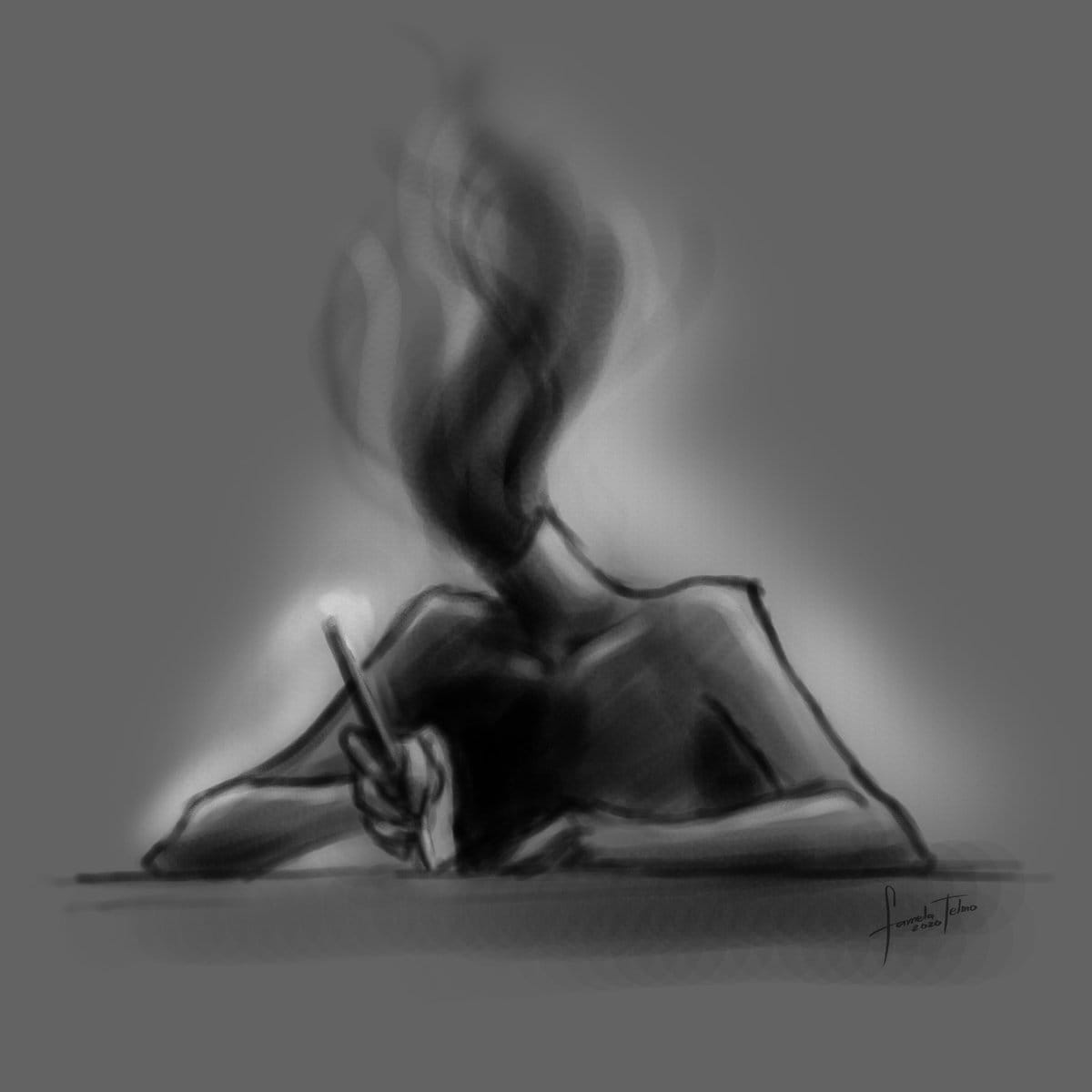

Burnout can also occur in student life. Giving too much weight to studies without proper rest and constant academic stress can lead to burnout. There is relationship-related burnout as well. When you are always overwhelmed with relationship issues and constantly prioritize the other person without thinking about yourself, you end up with chronic stress, which results in burnout.
It is important to understand the difference between laziness, burnout, and depression. Laziness is a choice-based avoidance; there is no strong distress or guilt involved. It is not caused by exhaustion—energy is available, but effort is avoided. Burnout, on the other hand, is caused by prolonged stress. It happens even to motivated, responsible people and is context-related, such as work, studies, or relationships. Depression is a clinical mental health condition. It affects mood, thoughts, sleep, and appetite consistently and is not limited to one life area. It requires professional diagnosis and treatment. Although burnout is not depression, burnout can lead to depression.

There are six commonly identified stages of burnout. Stage one is known as the Honeymoon stage. In this stage, people are highly enthusiastic and full of energy and willingly take on responsibilities and challenges. Stage two is the Onset of Stress. Novelty wears off, stress builds up, and you overextend yourself, working harder while neglecting basic needs such as food and sleep. In stage three, Chronic Stress begins. Stress becomes constant; you ignore symptoms, blame others, and prioritize work or relationships over well-being. The fourth stage is Burnout and Depersonalization. Here, you feel detached, numb, cynical, and ineffective, lose pleasure in work, and begin to withdraw socially. Inner Emptiness or Depression appears in the fifth stage. This includes a profound sense of void, hopelessness, apathy, and extreme exhaustion, where you begin to question the meaning of life. Stage six is Total Collapse or Crisis. In this final stage, complete mental, emotional, and physical collapse occurs, and urgent professional help is required.
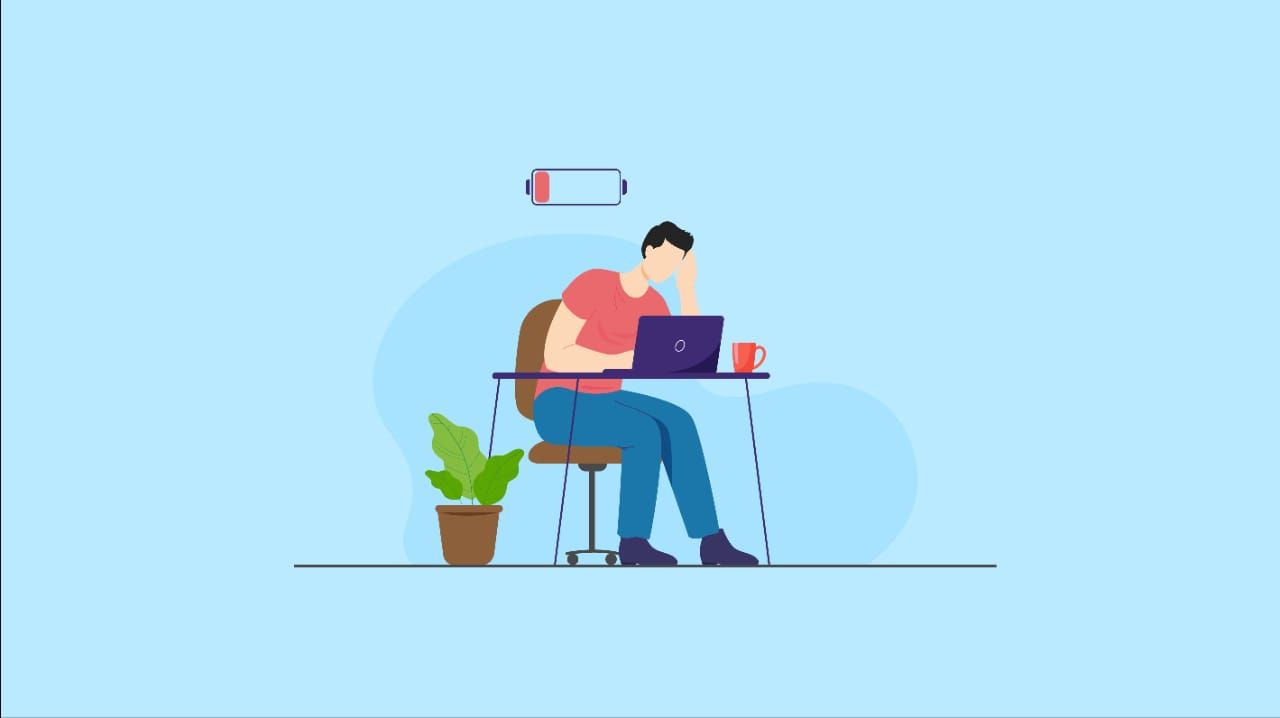
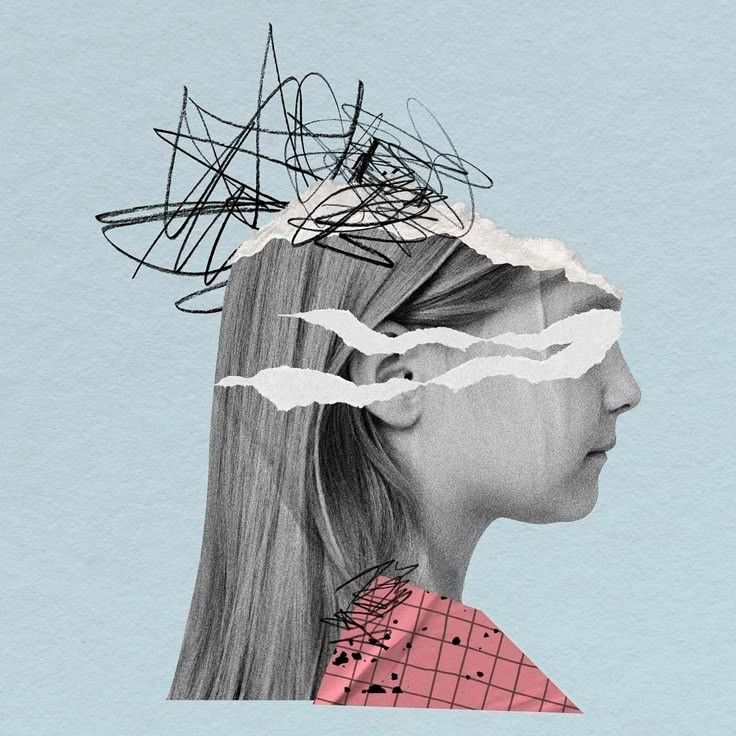
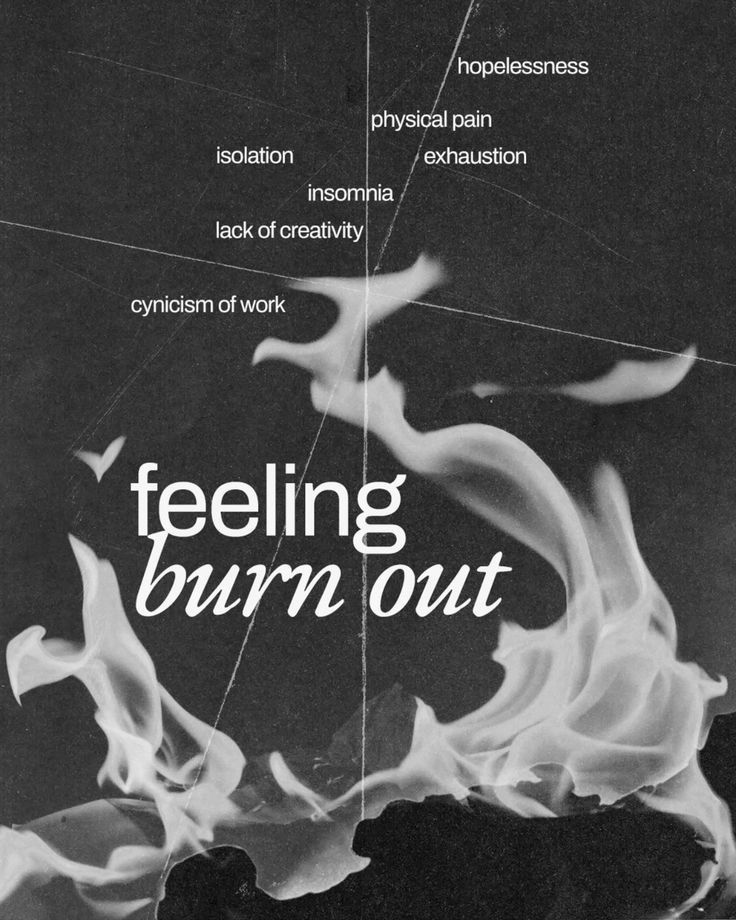
To identify burnout in its early stages, we must understand its symptoms. These symptoms can be divided into physical, emotional, and behavioral categories. Fatigue, sleep problems, headaches, and appetite changes are common physical symptoms. Lack of motivation, self-doubt, irritability, loneliness, anxiety, and hopelessness are commonly occurring emotional symptoms. Behavioral symptoms include social isolation, procrastination, increased substance use, cynicism, and withdrawal from responsibilities.
How to avoid burnout
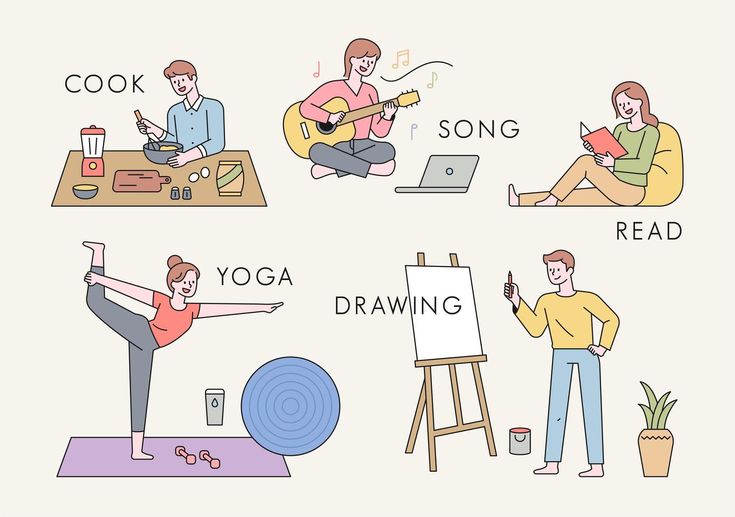
To avoid emotional burnout, it is important to set firm boundaries and prioritize self-care, including sleep, exercise, and healthy eating. Practicing mindfulness through meditation can help manage stress. Taking regular breaks, building strong supportive relationships, and learning to say “no” to overcommitment also help prevent burnout. Focus on realistic expectations, and if needed, do not hesitate to seek professional help.


What if you are already burnt out?
First, recognize it without self-blame. It is crucial to allow rest without labeling it as wasting time. Find ways to release emotions—journaling, talking to a friend, or simply crying can help. Create small, manageable goals without putting too much pressure on yourself. Seek support from friends, mentors, or professionals. Most importantly, understand that recovery is not instant; it takes time, and that is okay.
Remember, burnout is not a character flaw. It is a signal—a signal that your mind needs rest, a signal that you may be on the wrong path, and a signal that you require a little “me time.”